


Every on-time departure depends on aircraft turnaround coordination. Dozens of ground tasks happen at once around your aircraft, and one person, the Turnaround Coordinator, is responsible for making sure they happen in the right order, at the right time, and safely.
Fuel
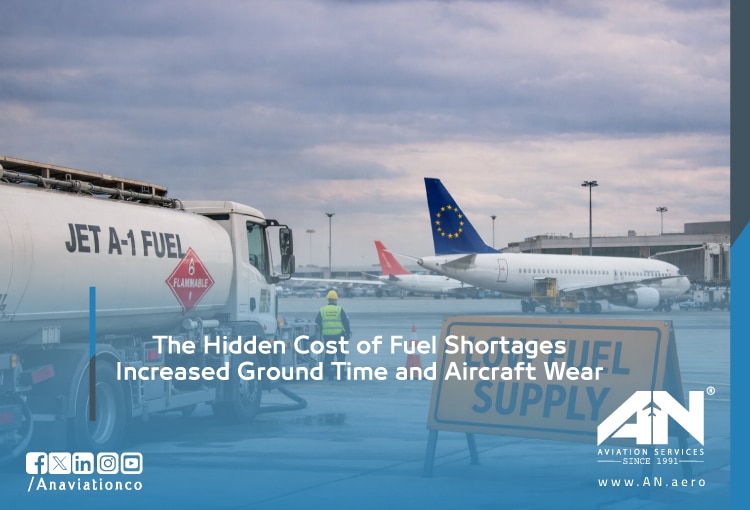
Fuel shortages cost airlines far more than the price on the fuel invoice. When jet fuel is scarce, aircraft spend longer on the ground, fly longer routes, and wear out faster.
As aviation fuel prices continue to rise, airlines are under growing pressure to control operating costs without compromising safety, efficiency, or passenger experience.
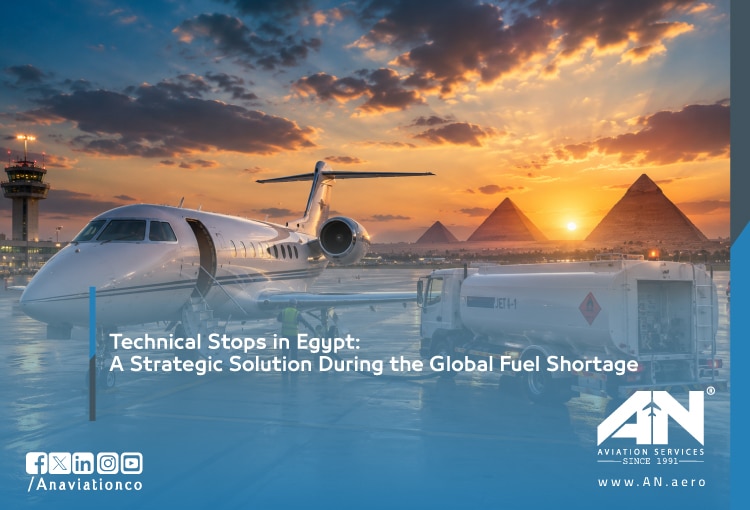
Fuel availability has become a growing operational concern for aviation in 2026. Disruptions to global energy supply routes, rising jet fuel costs, and uncertainty at traditional refueling locations are forcing operators to reconsider how they plan long-distance flights.
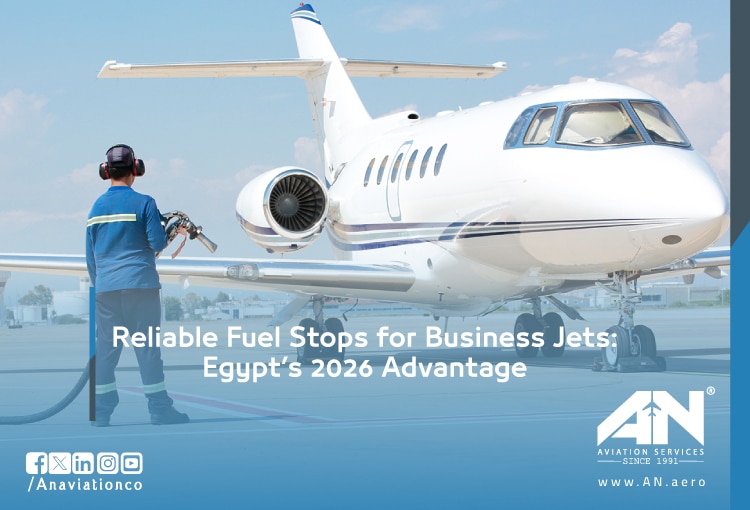
The global aviation industry is entering a period of uncertainty as jet fuel supply chains face unprecedented disruption. By 2026, geopolitical tensions, supply bottlenecks, and shifting energy priorities are reshaping how and where aircraft refuel. For business jet operators, this means one critical shift: fuel stops are no longer just operational they are strategic.
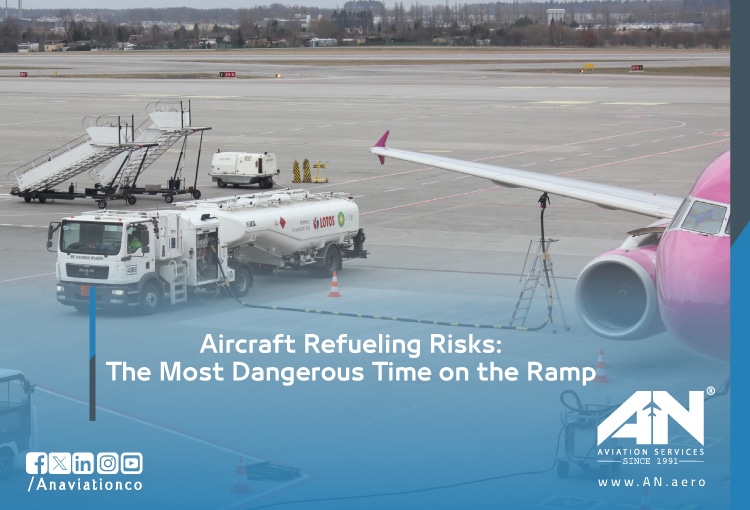
Aircraft refueling also known as airplane refueling or plane refueling is one of the most routine yet high-risk operations in aviation. It takes place during nearly every turnaround, yet emergencies while aircraft refueling remain a leading cause of ramp incidents worldwide.

Fuel efficiency isn’t just about saving money anymore. It’s about staying competitive, reducing environmental impact, and improving long-term operational performance.
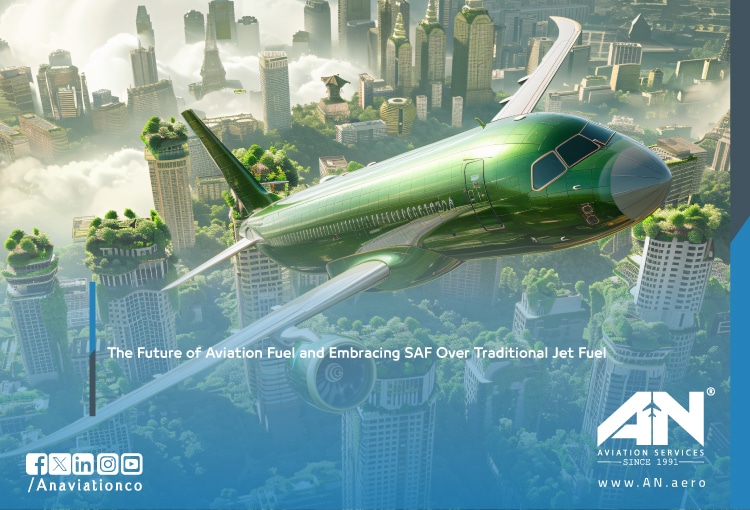
Jet fuel’s been powering planes for decades. But now, the aviation industry’s starting to switch from traditional jet fuel to something cleaner: SAF, or Sustainable Aviation Fuel.
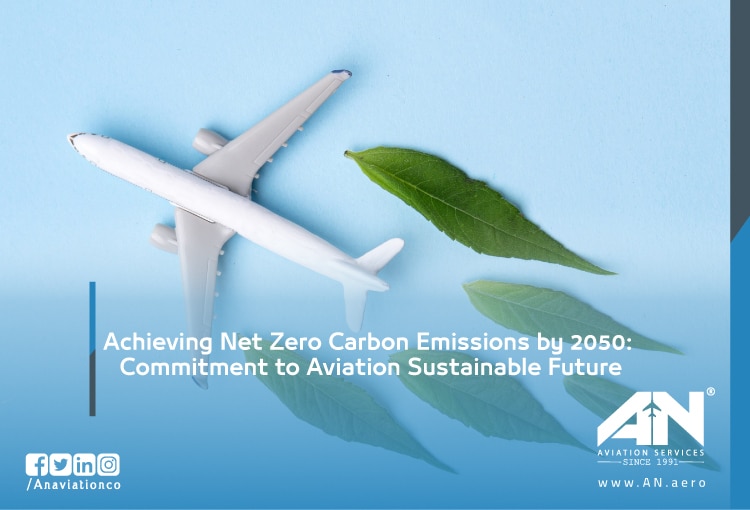
The global push for net zero carbon emissions is reshaping industries, with aviation facing unique challenges due to its reliance on fossil fuels.
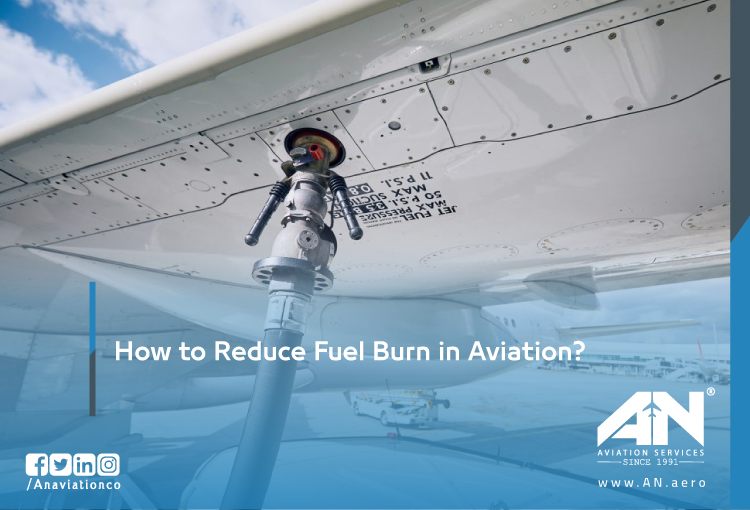
Fuel efficiency has become a critical focus in the aviation industry due to its direct impact on both operational costs and environmental sustainability.