

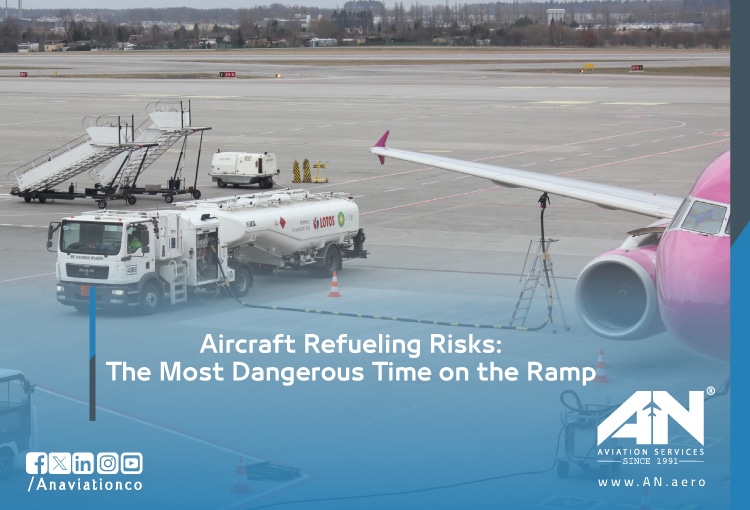
Aircraft refueling also known as airplane refueling or plane refueling is one of the most routine yet high-risk operations in aviation. It takes place during nearly every turnaround, yet emergencies while aircraft refueling remain a leading cause of ramp incidents worldwide.
While aircraft are stationary, the environment around them is highly dynamic. Flammable fuel, moving vehicles, active systems, and tight operational timelines create the perfect conditions for risk.
Even a minor issue during aircraft refueling can escalate rapidly into serious emergencies while refueling, affecting safety, operations, and compliance. Understanding these risks is essential for pilots, ground handlers, and flight departments alike.
Why Aircraft Refueling Is High-Risk?
Aircraft refueling combines multiple hazards at the same time, making it one of the most sensitive ground operations:
- Highly flammable fuel: Jet-A vapors can ignite easily
- Static electricity buildup: A common cause of ignition during airplane refueling
- Pressurized systems: Increase the risk of sudden leaks or hose failures
- Active aircraft systems: Electrical components can act as ignition sources
- Ramp congestion: Fuel trucks operate in tight, high-traffic areas
- Time pressure: Quick turnarounds increase the likelihood of human error
Because of this combination, emergencies while refueling aircraft often develop quickly and require immediate, precise response.
Understanding Aircraft Refueling Risks
Aircraft refueling involves transferring large volumes of fuel under controlled conditions. However, even minor disruptions can result in serious emergencies while aircraft refueling.
Whether it is plane refueling at a major international airport or airplane refueling at a remote airstrip, the core risks remain the same fuel ignition, equipment failure, and miscommunication.
Recognizing these risks early is the first step toward preventing incidents.
Types of Aircraft Refueling Emergencies
Aircraft refueling carries multiple risks, and emergencies can escalate quickly if not handled properly. Common issues include fuel spills, fires, static discharge, and equipment failures, each requiring immediate action to ensure safe airplane refueling operations.
Fuel Spills and Leaks
Fuel spills are among the most common emergencies while refueling. They can result from:
- Improper connections
- Worn or damaged hoses
- Overfilling or pressure imbalance
During aircraft refueling, even small leaks can create hazardous vapor clouds that may ignite if exposed to a spark.
Fuel Fire on the Ramp
Fuel fires are one of the most dangerous emergencies while aircraft refueling. They can be triggered by:
- Static discharge
- Electrical sparks
- Hot surfaces such as brakes or engines
Once a fire starts during airplane refueling, it can spread rapidly and requires immediate containment.
Static Electricity Discharge
Static electricity naturally builds up during plane refueling as fuel flows through hoses.
Without proper bonding and grounding, this charge can discharge as a spark one of the leading causes of emergencies while refueling aircraft.
Vehicle Collision with Aircraft
Fuel trucks operate close to aircraft wings and fuselage during aircraft refueling. Limited space, poor visibility, or miscommunication can result in collisions that damage fuel tanks and significantly increase fire risk.
Fuel Contamination
Fuel contamination is a less visible but equally serious risk in airplane refueling. Water, debris, or improper handling can compromise fuel quality, leading to engine performance issues and potential in-flight consequences.
Pinpoint Problems & Your Action Plan
For Pilots
Scenario: You are in the cockpit during aircraft refueling. The ground crew signals urgently there is a fuel leak near the wing.
Action Needed:
- Shut down all electrical systems and the APU immediately
- Do not start engines or operate switches
- Instruct ground crew to stop fueling
- Ensure the area is secured and personnel are clear
During emergencies while aircraft refueling, eliminating ignition sources is your top priority.
AN Aviation Services ensures full coordination between cockpit crews and ground teams during airplane refueling operations.
For Ground Handlers
Scenario: A fuel hose bursts during plane refueling, spraying fuel across the ramp and onto hot brakes.
Action Needed:
- Stop fuel flow immediately using emergency shutoff
- Evacuate the area
- Prepare fire extinguishers
- Prevent aircraft movement until safe
- Ground handlers play a critical role in managing emergencies while refueling, as they are closest to the hazard.
For Flight Departments
Scenario: Your aircraft is undergoing airplane refueling at a remote airport, and the equipment appears worn or outdated.
Action Needed:
- Inspect fueling equipment before use
- Reject unsafe hoses or trucks
- Request maintenance verification
- Ensure the provider meets safety standards
Proper oversight reduces the likelihood of emergencies while aircraft refueling, especially in remote or high-risk regions.
For Cargo Operators
Scenario: Dangerous goods are being loaded during aircraft refueling. A fuel leak develops nearby.
Action Needed:
- Stop one or both operations immediately
- Maintain clear communication between teams
- Follow regulations restricting simultaneous operations
Combining dangerous goods handling with plane refueling significantly increases risk and must be carefully controlled.
Prevention: How to Avoid Emergencies While Refueling?
1. Proper Bonding and Grounding
Bonding prevents static discharge by equalizing electrical potential between the aircraft and fuel source before aircraft refueling begins.
2. Equipment Inspection
Routine inspection of hoses, nozzles, and connections is essential to prevent failures during airplane refueling.
3. Clear Communication
Consistent communication between all parties involved in plane refueling ensures quick response to any abnormal situation.
4. Know Your Emergency Shutoffs
Every team member must know how to immediately stop fuel flow during emergencies while refueling aircraft.
What to Do During Aircraft Refueling Emergencies?
Fuel Fire
If a fuel fire occurs during aircraft refueling, act immediately:
- Stop fuel flow at the source using emergency shutoffs.
- Evacuate all personnel from the area to a safe distance.
- Use fire extinguishers only for small, contained flames; never attempt to fight large fires alone.
- Never use water on fuel fires, as it can spread the flames.
- Alert airport fire services and emergency responders without delay.
Fuel Spill
During a fuel spill:
- Shut off fuel at the source immediately to prevent further leakage.
- Contain the spill using approved absorbents or barriers to limit spread.
- Keep engines and electrical systems off until the area is safe and vapors have dissipated.
- Report the incident to airport authorities and environmental agencies as required.
Vehicle Collision
If a fuel truck or other vehicle collides with the aircraft during refueling:
- Assess any damage to the aircraft and fuel systems carefully.
- Do not move the aircraft if fuel tanks or systems are compromised.
- Evacuate personnel if fuel leakage is present to prevent fire hazards.
- Document the incident thoroughly with photos and witness statements for investigation and insurance purposes.
How AN Aviation Services Keeps Aircraft Refueling Safe?
AN Aviation Services ensures safe and reliable aircraft refueling through a combination of strict supplier selection, expert training, and continuous oversight. We work only with vetted fuel providers who meet international safety and quality standards, reducing risks such as fuel contamination and equipment failure.
Our ground handling teams are trained in all aspects of airplane refueling, including proper bonding and grounding, safe fuel handling, and managing emergencies while refueling, ensuring quick and effective response on the ramp.
With active oversight across all plane refueling operations from major airports to remote airfields we maintain consistent safety standards through clear coordination and strict adherence to procedures.
Safe Aircraft Refueling Starts with Awareness
Aircraft refueling is one of the most critical and high-risk activities on the ramp. Emergencies while aircraft refueling can escalate quickly, but they are largely preventable with proper procedures, training, and oversight.
Whether conducting airplane refueling at major international airports or plane refueling in remote locations, maintaining strict safety standards is essential.
With the right preparation and expertise, operators can significantly reduce risk and ensure safe, efficient aircraft refueling operations every time.