

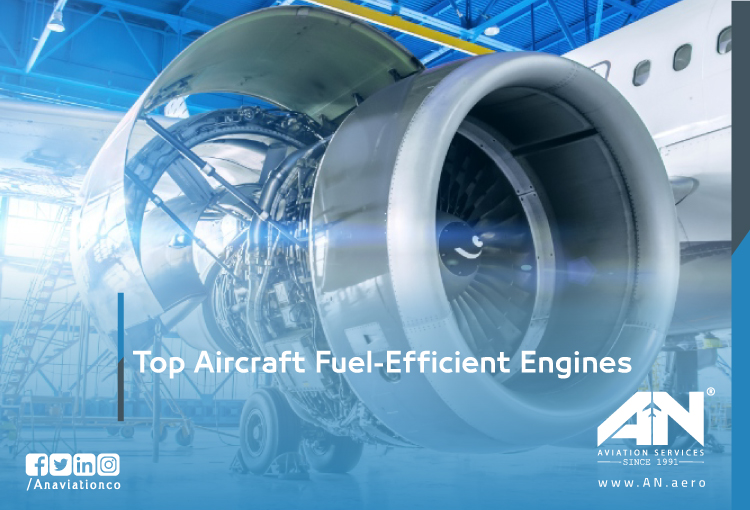
The aviation industry has long been characterized by its high consumption of fuel, largely due to the need for powering large, sophisticated aircraft across vast distances.
Fuel
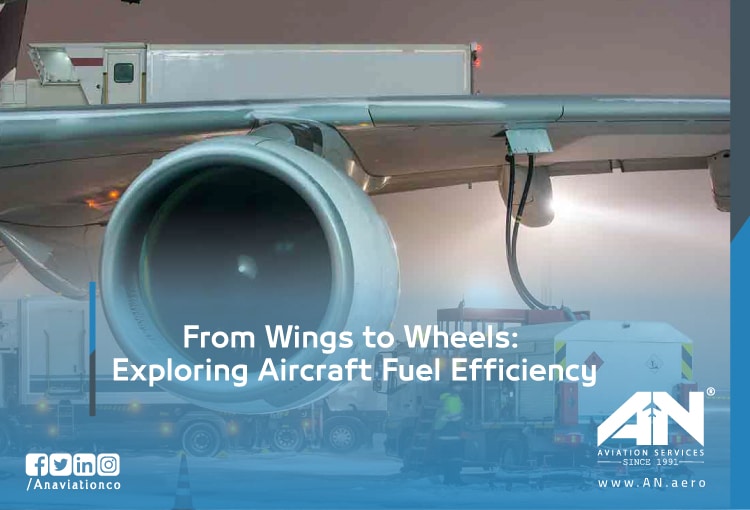
Aircraft fuel efficiency is crucial for both economic and environmental reasons. It helps airlines reduce costs and lowers greenhouse gas emissions, contributing to a greener planet.
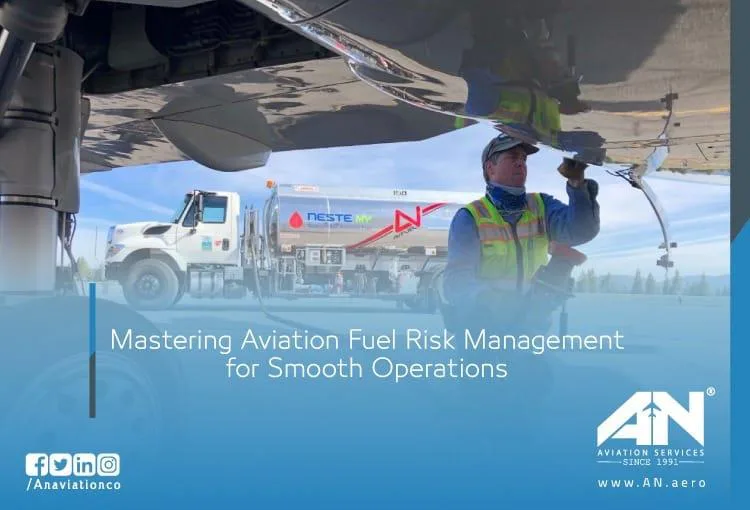
As one of the largest operational costs for airlines and aviation service providers, aviation fuel requires meticulous planning and monitoring to ensure efficient, uninterrupted operations.
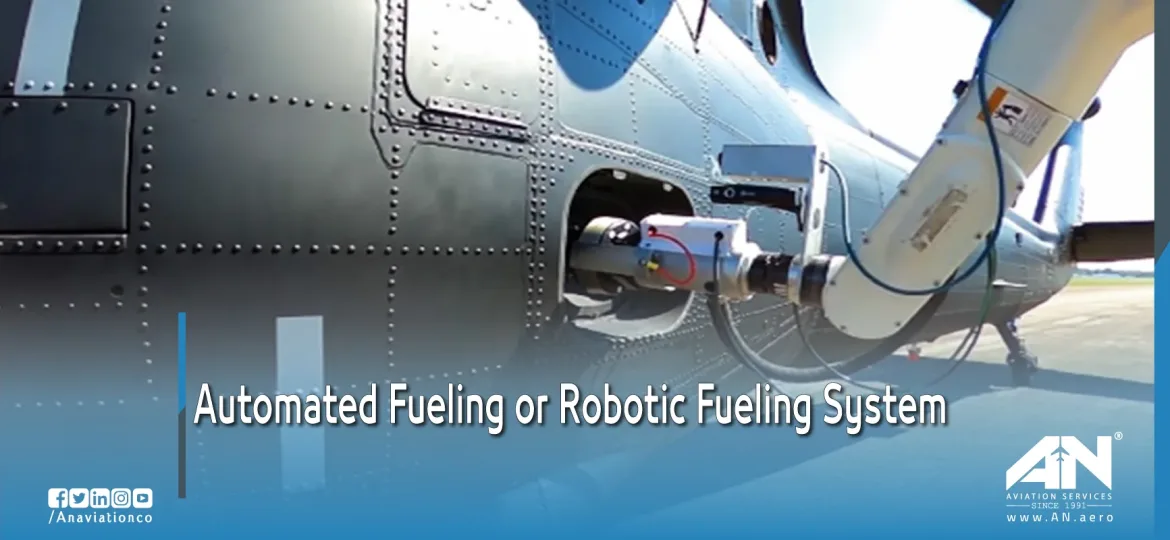
The aviation industry is continuously exploring cutting-edge technologies to enhance efficiency, reduce operational costs, and improve safety.
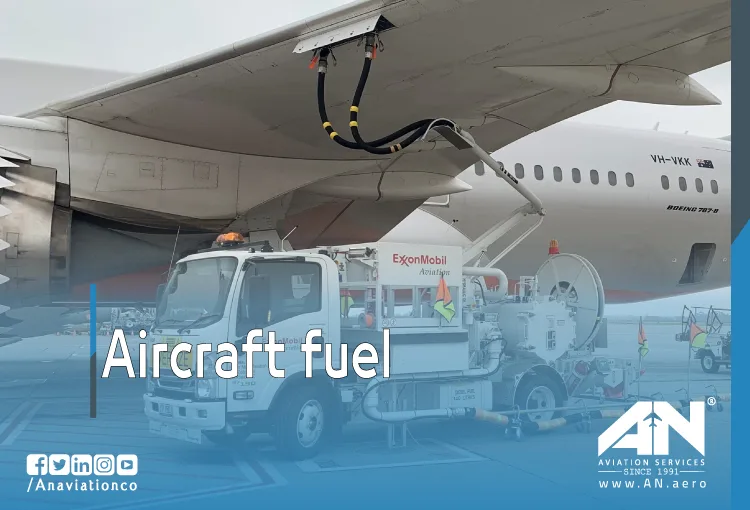
When it comes to keeping aircraft in the skies, aviation fuel is the backbone of the aviation industry.
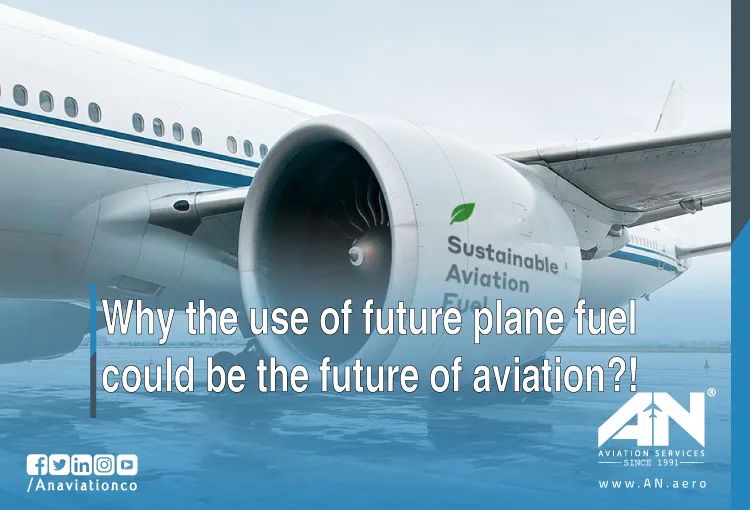
As the aviation industry takes significant steps toward becoming more environmentally sustainable, the concept of future airplane fuel has emerged as a groundbreaking innovation that could redefine air travel.
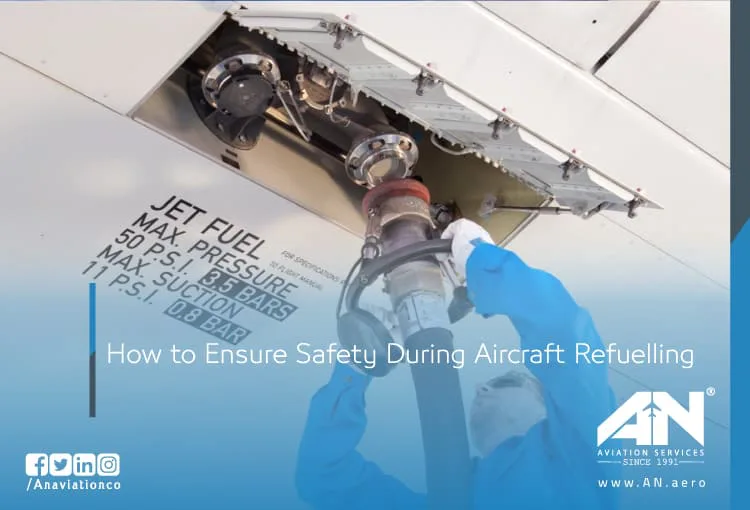
Aircraft refueling is a critical operation in aviation that requires meticulous attention to safety protocols.

The aviation industry, a cornerstone of global connectivity, has long-faced scrutiny for its greenhouse gas emissions.

As the aviation industry emerges from the challenges of the COVID-19 pandemic, the focus has shifted toward rebuilding a more sustainable future.

Bad fuel can not only lead to costly repairs but also compromise the overall reliability of your plane, putting safety at risk.