

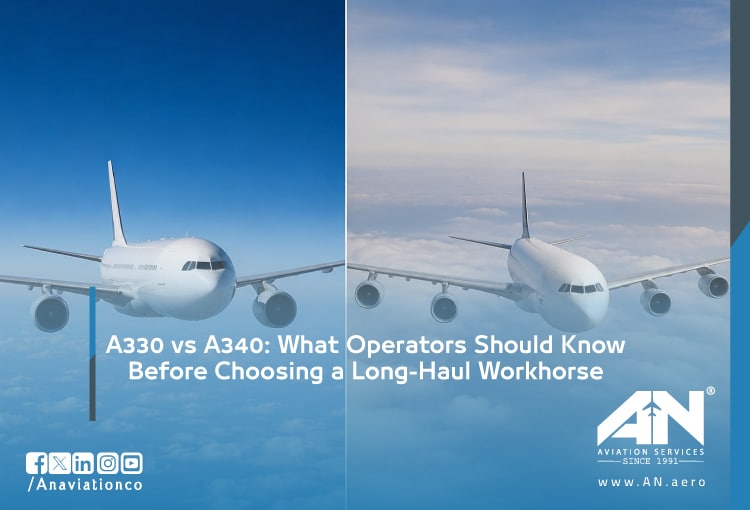
In the world of long-haul aircraft, few comparisons are as significant as the Airbus A330 and A340. These two aircraft families were developed side by side, sharing the same design philosophy, cockpit layout, and many structural components. Despite this shared heritage, they were built to solve very different operational challenges.
Airbus
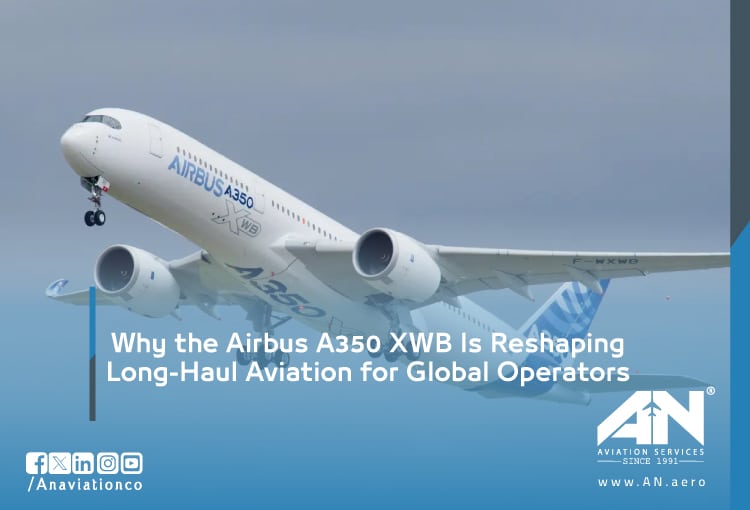
In today’s aviation industry, success depends on far more than aircraft range alone. Operators now face increasing pressure to balance passenger comfort, route efficiency, airport compatibility, permit complexity, and long-term operating costs.

If you follow aviation, you’ll notice how often the Airbus A320 family shows up. The A320, A321, and A319 support airlines on short trips and longer flights because they offer comfort, strong performance, and dependable design.
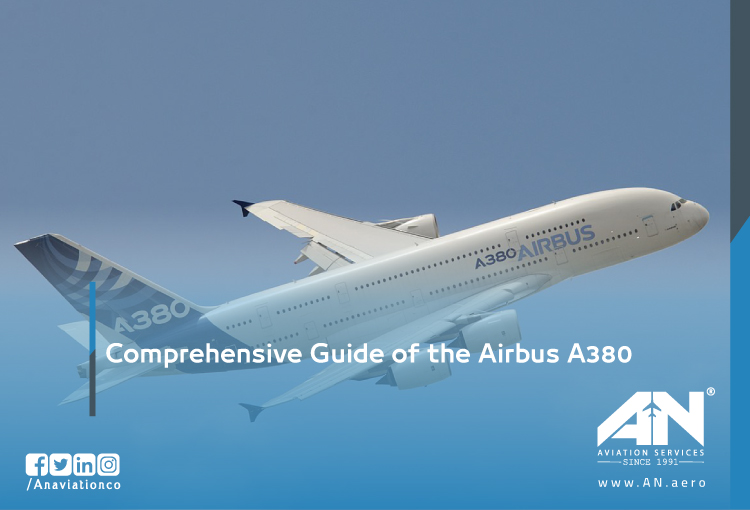
The Airbus A380 is known as the world’s largest passenger aircraft, making it a standout in the aviation industry.
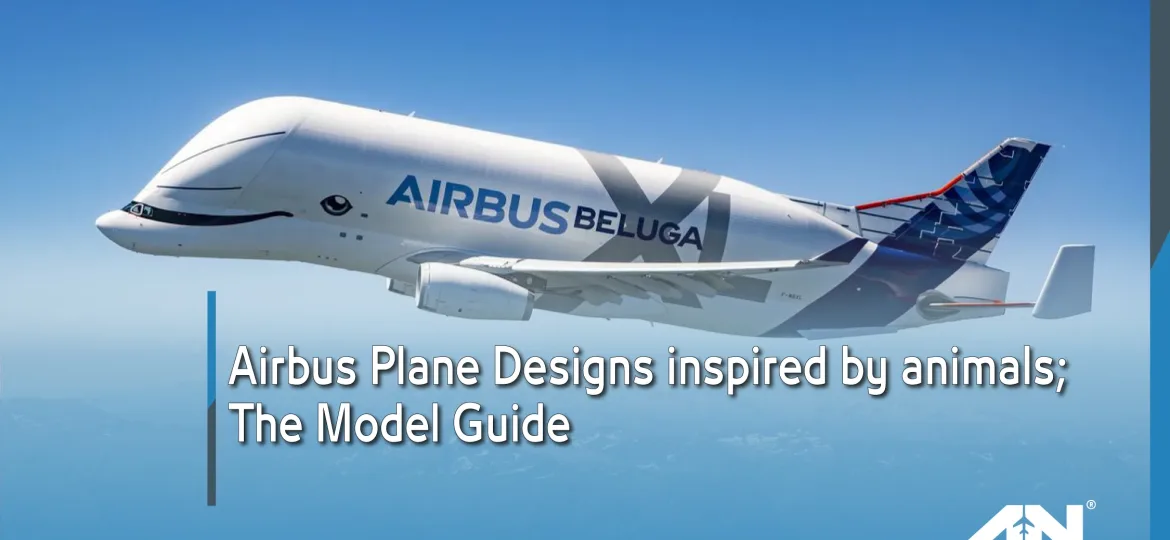
The aviation industry has long looked to nature for inspiration. With its incredible diversity of adaptations and efficiencies, the animal kingdom serves as a source of creative breakthroughs in design and technology.
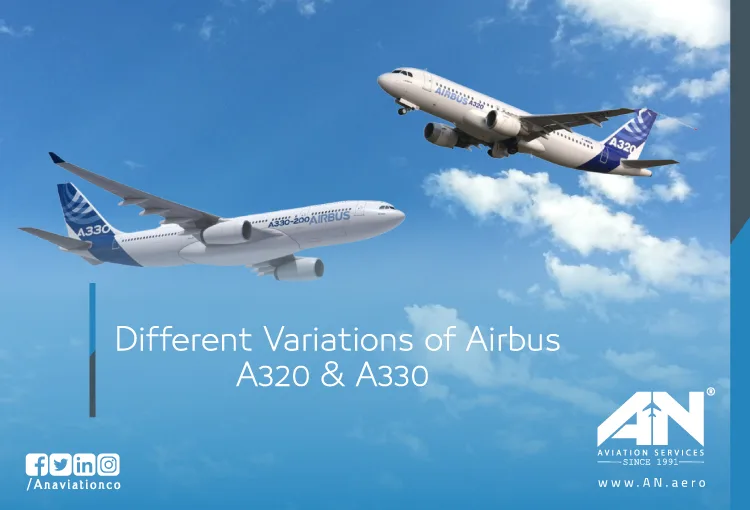
The Airbus A320 and A330 families have long been central to the success of commercial aviation.
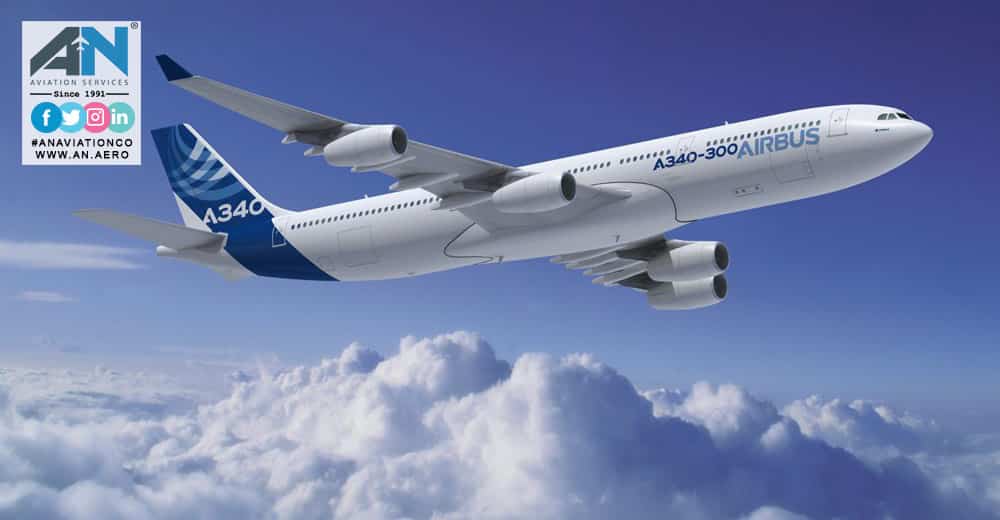
The Airbus A340, renowned for its long-haul capabilities and impressive range, is an engineering marvel. However, being a large, four-engine aircraft, it requires a considerable takeoff length to safely lift off the runway.

The Airbus A330-800neo was introduced as part of Airbus’s effort to modernize its popular A330 family, promising improved efficiency, longer range, and updated technology.
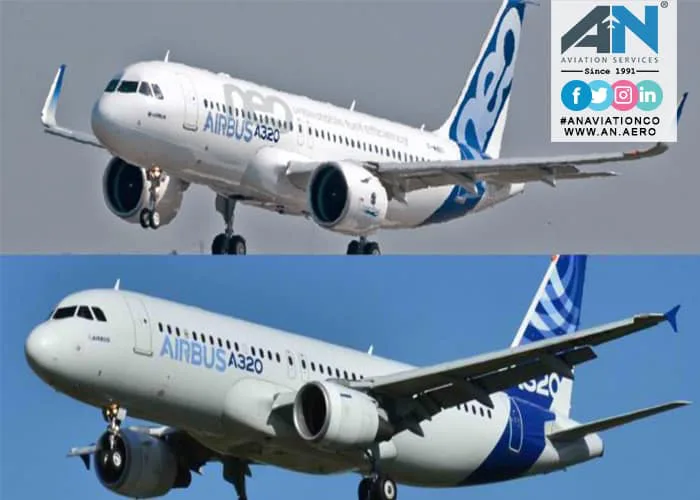
Known for its reliability, efficiency, and versatility, the A320 has become one of the most successful aircraft in history, trusted by airlines worldwide.
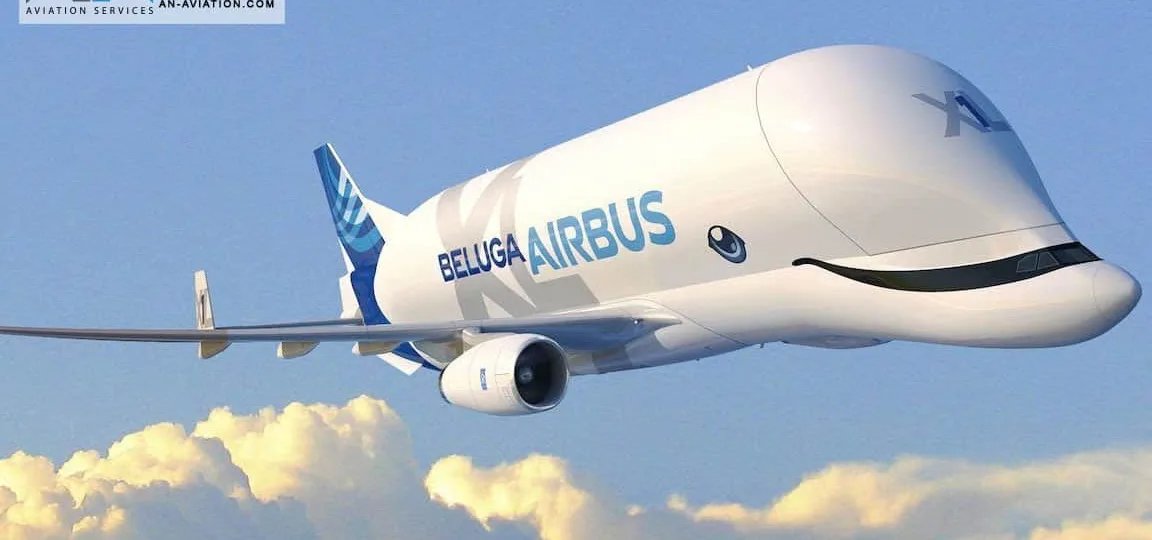
The Beluga Airbus—with its distinctive whale-like shape—is one of the most recognizable cargo planes in the world. Officially known as the Airbus A300-600ST Beluga, this massive aircraft was developed to transport large and heavy components.