


An aviation permit can be changed after approval, but not freely. A permit is a conditional approval tied to specific flight details. If those details change, you may need a revision or, in some cases, a completely new application.
Permits
Aviation permits, licenses, authorizations - we've got you covered. Simplify your flight planning with our comprehensive permit services

Securing an overflight or landing permit is an essential part of operating across African airspace. But obtaining the permit is only one part of the compliance process.
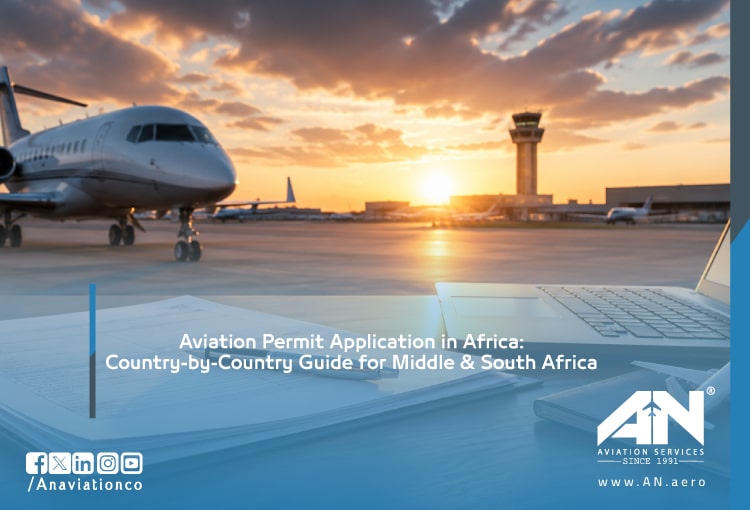
Planning an international flight across Africa involves more than building a route and filing a flight plan. Every country has its own aviation permit application requirements, processing timelines, documentation standards, and operating procedures.

The aviation industry is entering a new era. Around the world, regulators are replacing paper-based processes with digital platforms, while technologies like artificial intelligence (AI) and blockchain are beginning to reshape how aviation permits are requested, reviewed, and approved.

An aviation emergency can develop in minutes. A mechanical failure, medical crisis, severe weather, or sudden security issue can force an aircraft to divert from its planned destination with little warning.

As aviation authorities across Middle and South Africa continue to digitize their services, obtaining an online overflight permit has become faster and more convenient than ever.

High-demand air corridors are heavily utilized flight routes connecting major aviation hubs with key destinations across Middle and South Africa.

Environmental compliance is no longer a secondary consideration in aviation; it is now a core requirement for permit approvals across Middle and Southern Africa.
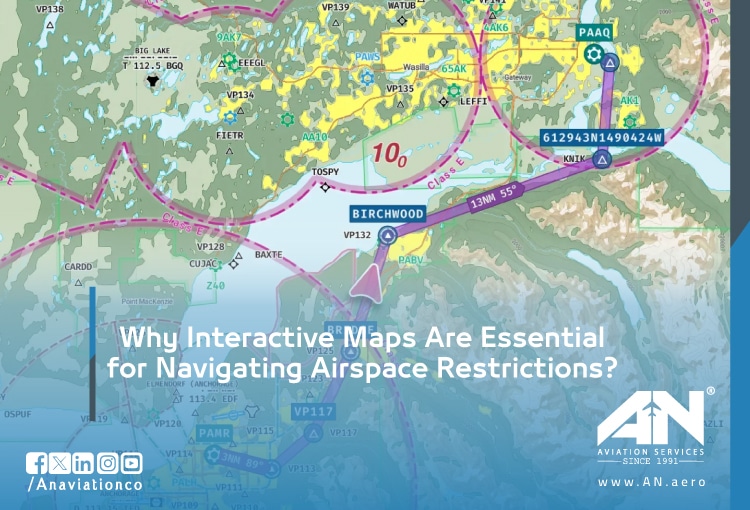
In today’s aviation landscape, relying solely on static charts is no longer sufficient. With constantly evolving airspace restrictions, shifting geopolitical conditions, and complex aviation permit requirements across Middle and Southern Africa, flight planning demands real-time visibility and precision.
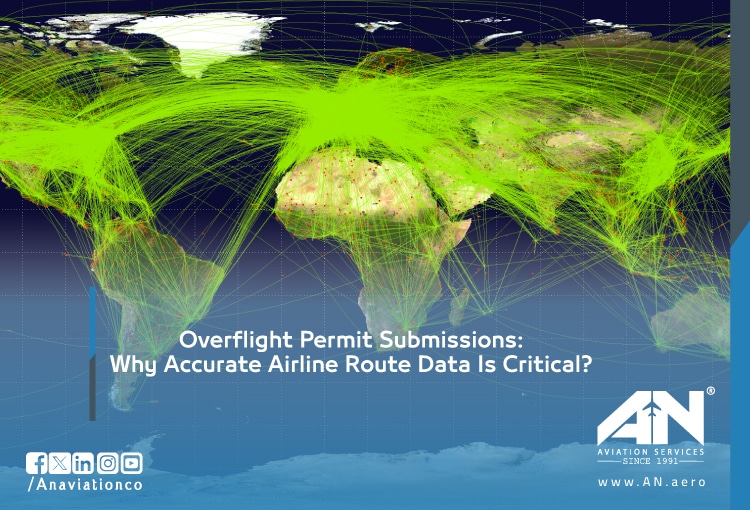
In aviation operations, accuracy is not just a requirement; it is the foundation of compliance and efficiency. This is especially true when it comes to overflight permit submissions, where the quality and precision of your airline route data directly determine the outcome of your request.