


While aviation safety has improved significantly over the past few decades, accident investigations continue to reveal a common theme: many safety risks originate on the ground.
Ground handling
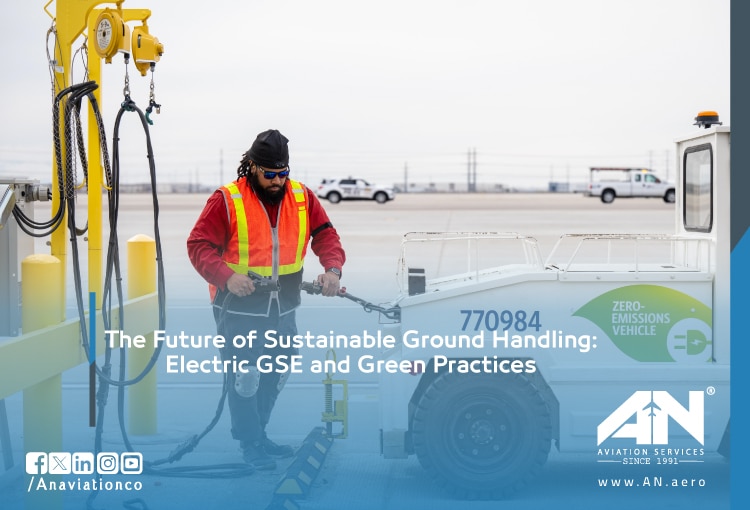
For decades, aviation sustainability discussions focused almost entirely on aircraft. Airlines invested heavily in fuel-efficient jets and Sustainable Aviation Fuel (SAF) to reduce emissions in the air.

When airport security is mentioned, most people immediately think of fences, security checkpoints, and surveillance cameras.

Cyber threats are no longer limited to airline reservation systems or passenger data. They increasingly affect airport ground operations, where digital systems control time-critical activities.

When an aircraft lands with a patient on board, every second counts. Ground handling isn’t just about parking the plane or fueling it up; it’s the invisible force that keeps life-saving missions running on time.

When people think about flying, they picture the plane, the pilots, and the passengers. What most travelers don’t see is the busy ground crew making sure the aircraft is fueled, loaded, and ready to leave on time.

Ever wonder how your luggage appears on the carousel after a flight, or how planes are efficiently guided in and out of their gates?
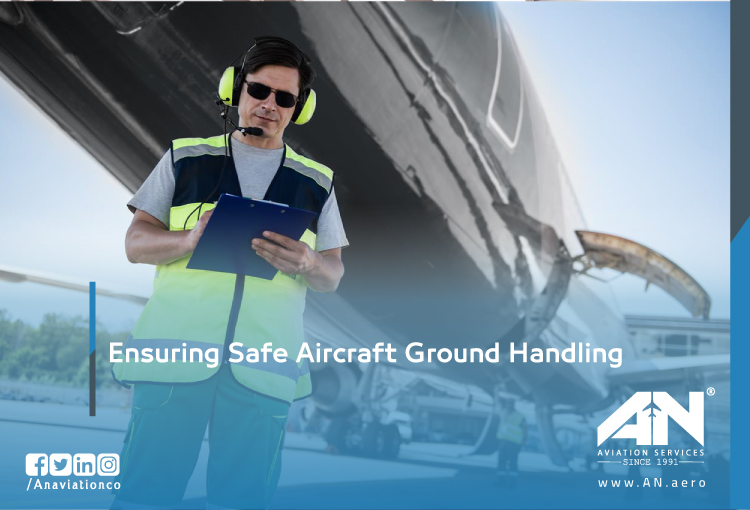
Aircraft ground handling is a critical operational phase in the aviation industry, encompassing a diverse range of essential services performed on the ground to ensure the safe and efficient movement of aircraft.
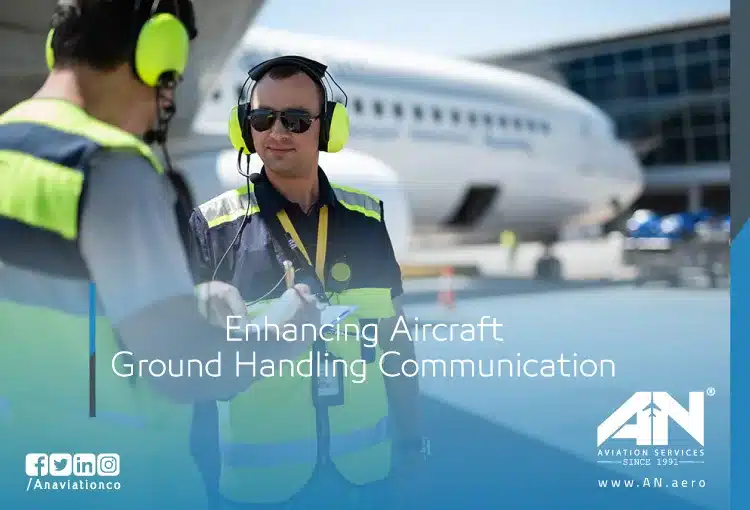
Among the various factors ensuring smooth operations, ground handling communication plays a pivotal role.
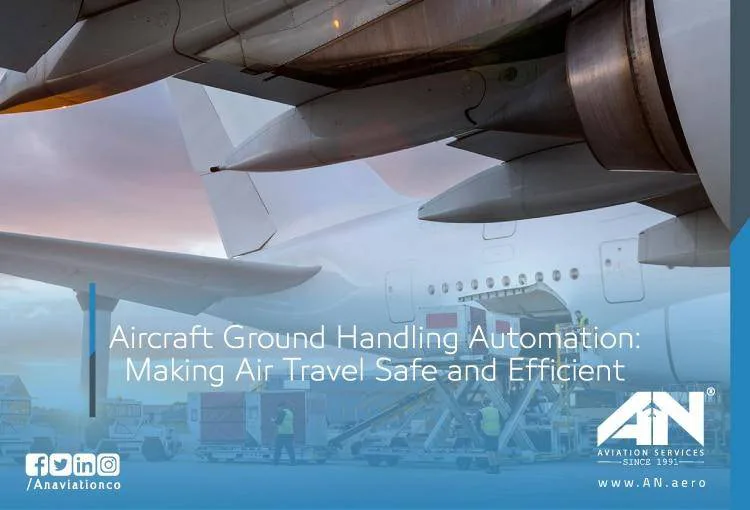
The aviation industry has always been at the forefront of technological innovation, constantly seeking ways to improve efficiency, safety, and passenger satisfaction.