

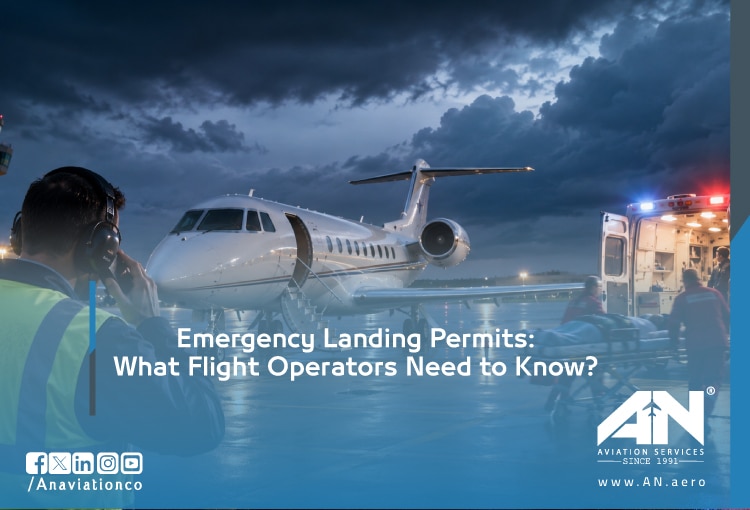
An aviation emergency can develop in minutes. A mechanical failure, medical crisis, severe weather, or sudden security issue can force an aircraft to divert from its planned destination with little warning.
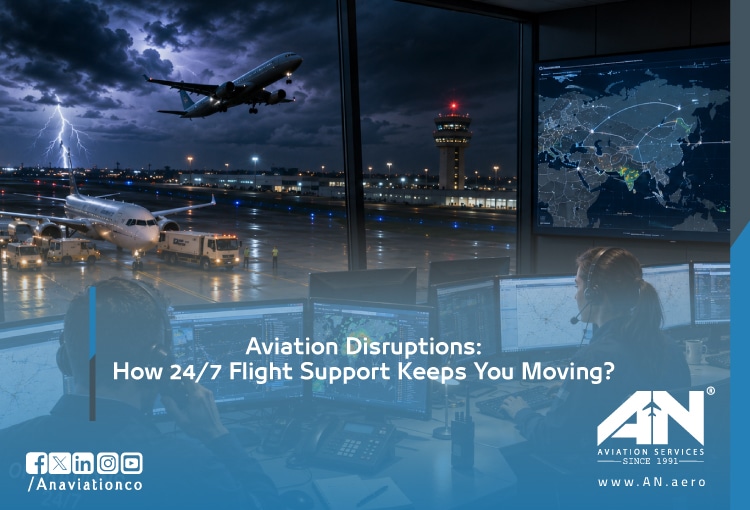
In aviation, a flight plan can change in minutes. An unexpected airspace closure, severe weather, fuel availability problem, or in-flight emergency can turn a routine operation into a complex situation requiring immediate decisions.

While aviation safety has improved significantly over the past few decades, accident investigations continue to reveal a common theme: many safety risks originate on the ground.

As aviation authorities across Middle and South Africa continue to digitize their services, obtaining an online overflight permit has become faster and more convenient than ever.

The global aviation industry is entering a period of uncertainty as jet fuel supply chains face unprecedented disruption. By 2026, geopolitical tensions, supply bottlenecks, and shifting energy priorities are reshaping how and where aircraft refuel. For business jet operators, this means one critical shift: fuel stops are no longer just operational they are strategic.
High-demand air corridors are heavily utilized flight routes connecting major aviation hubs with key destinations across Middle and South Africa.
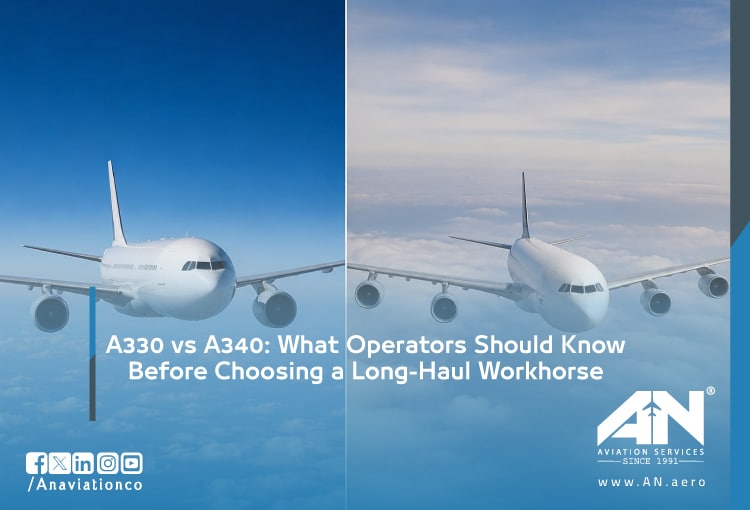
In the world of long-haul aircraft, few comparisons are as significant as the Airbus A330 and A340. These two aircraft families were developed side by side, sharing the same design philosophy, cockpit layout, and many structural components. Despite this shared heritage, they were built to solve very different operational challenges.

Environmental compliance is no longer a secondary consideration in aviation; it is now a core requirement for permit approvals across Middle and Southern Africa.