

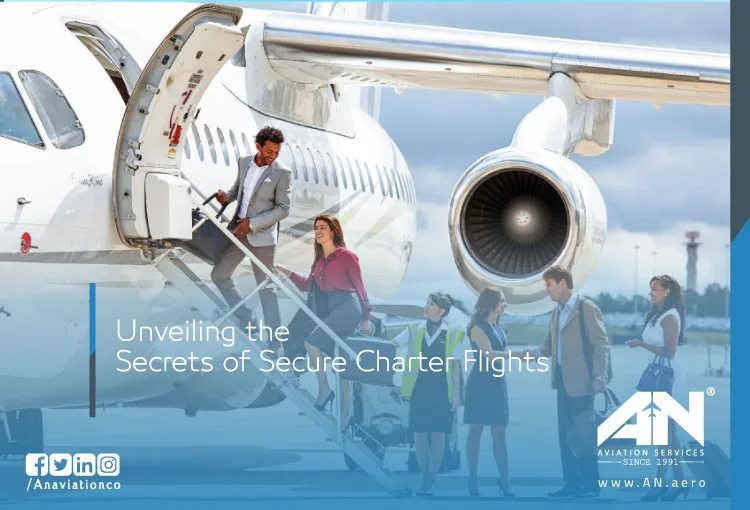
When it comes to air travel, security is a critical priority, whether you’re boarding a commercial flight or opting for the more personalized service of a charter flight. However, when flying privately, ensuring maximum safety and security takes on a whole new meaning. Secure charter flights aren’t just about convenience and luxury; they’re meticulously designed to provide peace of mind for every passenger.
So, what sets private charter flights apart in terms of security, and why are they considered a preferred choice to traditional commercial flights for many travelers? Let’s explore the meticulous processes and advanced measures that make charter flights synonymous with safety and exclusivity.
What Are Secure Charter Flights?
A charter flight refers to a privately arranged service where passengers either book an entire aircraft or secure seats on a private charter. Unlike commercial flights, which follow fixed schedules and routes, air charters provide personalized routes, flexibility, and tailored services. The “secure” aspect of charter flights highlights their focus on enhanced safety protocols, from pre-flight checks to in-air security measures.
These flights cater to a wide range of travelers, including business executives, VIPs, and families, ensuring privacy and a seamless travel experience. However, their security measures aren’t just about physical safety—they also prioritize privacy and data security.
Why Security Is Paramount in Charter Flights?
The allure of charter flights lies in their ability to offer a controlled, private, and highly secure environment. Here’s why security is such a focus:
Reduced Exposure to Crowded Airports:
Unlike commercial flights, which require passengers to navigate bustling terminals, private charter services operate out of exclusive Fixed Base Operators (FBOs) or private terminals. This means fewer crowds, shorter wait times, and reduced risks associated with crowded public spaces.
Comprehensive Pre-Flight Checks:
The security process for charter flights often includes thorough aircraft inspections, crew background checks, and detailed route planning. These pre-flight measures ensure that every aspect of the journey is secure from start to finish.
Exclusive Passenger Screening:
On a private charter, you have control over who is on board. Passengers are often pre-approved, minimizing security risks compared to the open nature of commercial flights.
Data and Privacy Protection:
For high-profile clients, securing sensitive information is just as important as physical safety. Charter flight operators often deploy strict data protection measures to safeguard passenger details, flight plans, and personal preferences.
How Secure Charter Flights Differ From Commercial Flights?
While both charter flights and commercial flights prioritize safety, the levels of personalization and exclusivity in air charters take security to another level. Here are a few key differences:
- Passenger Screening: Unlike commercial flights, which require TSA screening, private charters offer streamlined security processes at private terminals. While still adhering to aviation regulations, the screening process is less invasive and more tailored.
- Tailored Itineraries: Charter flights eliminate the need for layovers or shared aircraft, reducing exposure to public terminals and allowing passengers to travel directly to their destination.
- Flight Crew and Aircraft Vetting: Private charter companies often go above and beyond standard aviation regulations, conducting detailed background checks on crew members and using advanced maintenance protocols to ensure aircraft readiness.
The Role of Advanced Technology in Securing Charter Flights
Modern private charter flights rely on cutting-edge technology to enhance security. Some examples include:
- In-Flight Surveillance Systems: Advanced monitoring systems ensure continuous surveillance during the flight, allowing for rapid response to any unforeseen events.
- Encrypted Communication Channels: Aircraft used for charter flights often employ secure communication systems to protect sensitive discussions from potential cyber threats.
- Real-Time Flight Tracking: Clients can monitor their flight in real time, ensuring transparency and peace of mind throughout the journey.
- Biometric Verification: Some operators have introduced biometric screening to further enhance security for VIP travelers.
Benefits of Secure Charter Flights Beyond Safety
While security is a cornerstone of charter flights, these services also provide unparalleled comfort, privacy, and flexibility. Here are some additional benefits that make chartering a flight a superior choice:
Privacy:
Chartering an aircraft means you decide who boards the plane. For corporate groups or families, this ensures exclusivity and confidentiality, whether you’re discussing sensitive business deals or enjoying a private family getaway.
Customized Travel:
Unlike commercial airlines, private charters allow you to set your own schedule. Depart and arrive at times that suit you, and even choose airports that may not be accessible to larger planes.
Convenience:
With private jets, the time-consuming processes associated with public airports—long security lines, baggage checks, and boarding delays—are virtually eliminated.
Tailored Services:
From gourmet meals to personalized flight entertainment, private charters cater to passenger preferences in a way commercial airlines cannot match.
Who Benefits Most From Secure Charter Flights?
While anyone can enjoy the perks of flying private, certain groups stand to benefit the most:
- Business Travelers: With flexible schedules and confidentiality assured, private charter flights are ideal for executives attending important meetings or conferences.
- Families and Groups: Secure charters offer peace of mind for families traveling together, particularly when health and safety are top priorities.
- High-Profile Individuals: Celebrities, politicians, and other VIPs choose private charters for the privacy and personalized attention these flights offer.
Conclusion: Why Secure Charter Flights Are the Future of Travel
In an age where safety, privacy, and convenience are paramount, secure charter flights represent the gold standard in modern air travel. From enhanced security measures to tailored services, private charters provide a level of peace of mind that commercial flights simply can’t match.
Whether you’re a business professional looking to maximize productivity, a family seeking stress-free travel, or someone who values privacy and exclusivity, the advantages of secure air charter services are undeniable. With advancements in technology and a growing emphasis on passenger safety, private charters are set to become even more secure and accessible in the years to come.
FAQ
What distinguishes a “secure” charter from a standard private flight?
A secure charter integrates a multi-layered safety net that begins long before takeoff. While standard charters focus on comfort, a secure flight prioritizes “risk mitigation.” This includes advanced background vetting of all ground handlers, secure manifest handling to prevent information leaks, and the use of private terminals (FBOs) that allow for armored vehicle access directly to the aircraft steps. The goal is to eliminate any “public touchpoints” where a passenger could be exposed to physical or reputational risk.
How do charter providers ensure the cybersecurity of high-profile passengers?
In the modern landscape, data security is as vital as physical safety. Secure charters utilize encrypted Wi-Fi networks and “shielded” cabin environments to prevent signal interception. Top-tier providers implement strict “no-log” policies for their onboard servers and ensure that satellite communications are protected by enterprise-grade firewalls. This allows executives to conduct sensitive board meetings or transmit proprietary data without the risk of digital eavesdropping.
What is “Red Carpet to Runway” security in private aviation?
This is a seamless security protocol that covers the “last mile” of travel. It ensures that the passenger’s transition from their secure vehicle to the aircraft cabin is never in a public view. Security teams coordinate with the FBO to provide a “sterile” boarding area, often using hangars to shield the boarding process from long-range photography or unauthorized observers. This creates a continuous bubble of privacy from the point of departure to the final destination.
How are flight crews vetted for high-security charter missions?
Crews for secure missions undergo “Tier-1” vetting that goes beyond standard FAA or EASA requirements. This includes deep-background financial and criminal checks, as well as specialized training in anti-terrorism, emergency medical response, and “discretion protocols.” These crews are trained to recognize surveillance on the ground and are equipped to handle rapid “divert” scenarios if a destination becomes compromised during flight.
Can I request specialized security personnel to be part of the flight manifest?
Absolutely. Many secure charter flights operate in coordination with Executive Protection (EP) teams. Providers can configure the cabin to accommodate a Close Protection Detail, ensuring they have tactical seating near the primary passenger. Additionally, flight support teams can coordinate with local law enforcement at the arrival destination to ensure a secure “hand-off” upon landing, providing a 360-degree security loop.