

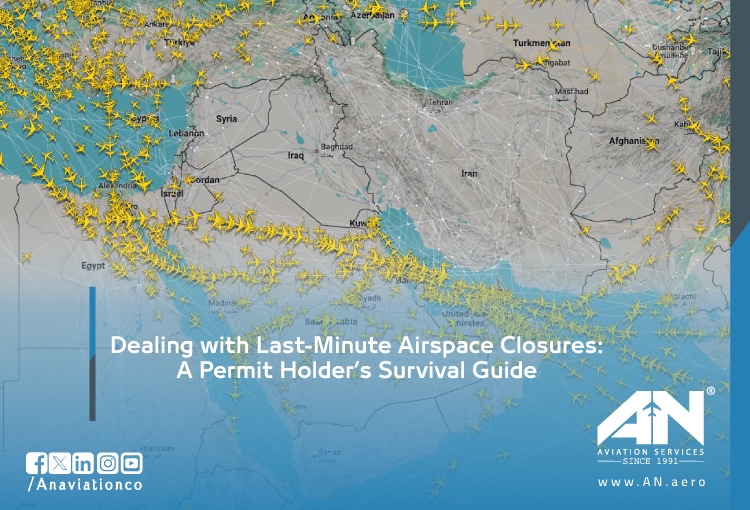
In modern aviation, even the most carefully planned route can disappear overnight. Operators may secure all necessary overflight and landing permits only to discover hours before departure that the airspace they planned to use is no longer available.
Permits
Aviation permits, licenses, authorizations - we've got you covered. Simplify your flight planning with our comprehensive permit services

Operating across Middle and South Africa requires more than a flight plan and an approved schedule. Behind every successful African overflight permit lies a structured, technical exchange of coded aviation communication.
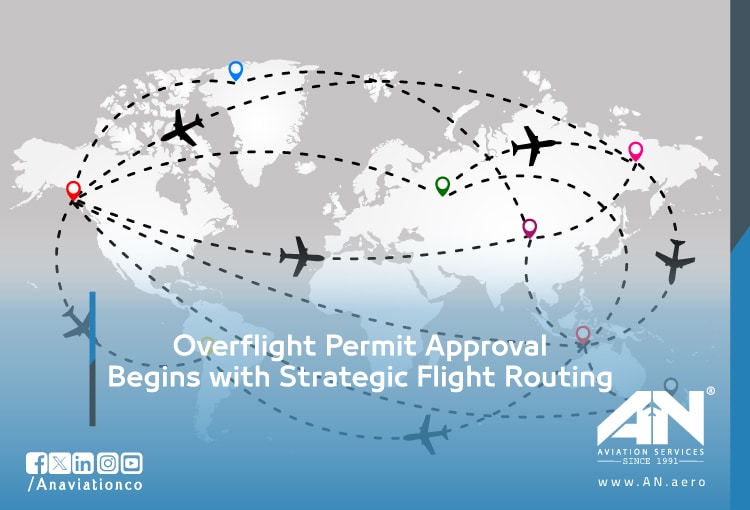
When operators consider overflight permit approval, attention typically focuses on documentation, airworthiness certificates, insurance validity, aircraft registration, and lead times.
In today’s operating environment, flight permits are no longer a routine administrative task. They are a critical operational dependency that directly impacts schedule integrity, cost control, and regulatory compliance.

Transiting African airspace presents unique operational and regulatory challenges for commercial and private flight operators. While Africa offers strategic routing advantages between Europe, the Middle East, and Southern regions, aviation permit requirements across the continent remain fragmented, highly sovereign, and strictly enforced.

Flight permits often appear secure once they are approved, with confirmed dates, cleared routes, and listed airports that suggest the flight is ready to operate as planned.

Permit requests can slow flight operations down fast. Each flight needs approval, each approval needs review, and each delay adds pressure to the ops team.

Let’s clear something up right away. You can’t just take off and fly across any country you want.
Why? Because every country controls the sky above it just like it controls its land.

Waiting for a flight permit approval can feel like waiting for a call that never comes. You refresh your inbox, check your messages, and wonder, Is it approved yet or still sitting in a queue somewhere?

Ever tried comparing a private jet permit with an airline one? It’s like comparing a custom order to a mass-produced product.