The aviation industry is always innovating, and one of the most exciting advancements in recent years has been the introduction of the Next-Generation Evolution Seat. Designed to elevate passenger comfort and enhance efficiency for airlines, this cutting-edge seat technology is setting a new benchmark for air travel.
Whether it’s on short-haul flights or long international journeys, seating is a critical factor in passenger satisfaction. With increasing competition, airlines are investing in revolutionary seating solutions that not only improve the travel experience but also optimize aircraft efficiency. Let’s explore what makes the Next-Generation Evolution Seat so remarkable and why it’s a game-changer for both passengers and the aviation industry.
What Is the Next-Generation Evolution Seat?
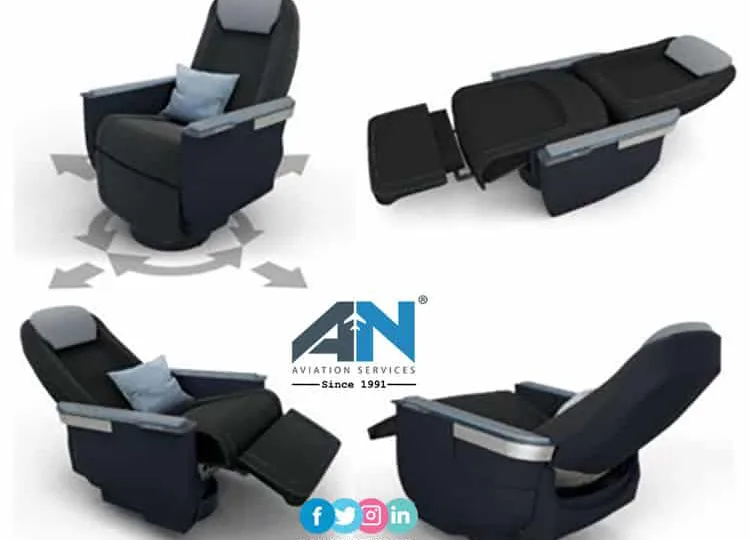
The Next-Generation Evolution Seat is an advanced aircraft seating solution designed to combine passenger comfort, lightweight materials, and modular features. It represents a significant leap forward from traditional aircraft seating by addressing the demands of modern air travel.
This innovative seat focuses on three key areas: enhanced passenger comfort, reduced weight for fuel efficiency, and streamlined design for easy customization. It’s not just about aesthetics—it’s about rethinking the entire seating experience to meet the needs of both passengers and airlines.
Enhanced Passenger Comfort
The Next-Generation Evolution Seat is designed with passengers in mind, offering a level of comfort that transforms the in-flight experience. Features like ergonomic cushioning, adjustable headrests, and increased legroom are just the beginning. The seats are crafted to support the body’s natural posture, reducing fatigue on long flights.
Additionally, these seats often include built-in amenities such as USB charging ports, wireless device holders, and integrated lighting. These thoughtful touches cater to modern travelers who value connectivity and convenience.
The slim design of the seat also ensures that passengers enjoy more personal space without compromising the airline’s seating capacity. By maximizing comfort within the same footprint, the Next-Generation Evolution Seat strikes the perfect balance between passenger satisfaction and operational efficiency.
Lightweight Design for Fuel Efficiency
One of the standout features of the Next-Generation Evolution Seat is its lightweight construction. By using advanced materials such as carbon fiber and high-strength composites, manufacturers have significantly reduced the weight of these seats compared to traditional models.
This reduction in weight has a direct impact on an airline’s fuel efficiency, as lighter planes consume less fuel. For airlines, this translates to cost savings and a lower environmental footprint. At a time when the aviation industry is prioritizing sustainability, the lightweight design of these seats is a crucial step toward greener air travel.
The reduced weight doesn’t compromise durability, as these seats are engineered to meet rigorous safety standards. Airlines can enjoy the benefits of fuel savings without sacrificing the reliability or longevity of their seating solutions.
Modular and Customizable Features
The Next-Generation Evolution Seat is also designed to be highly customizable, making it an ideal choice for airlines seeking to differentiate their cabin interiors. From economy class to premium cabins, these seats can be tailored to suit various service levels and branding requirements.
Modular components allow airlines to easily upgrade or reconfigure the seating layout, reducing maintenance downtime. This flexibility is particularly valuable for carriers that frequently update their cabins to stay competitive in the market.
For instance, airlines can opt for additional padding, adjustable recline angles, or even embedded entertainment systems, depending on the needs of their target audience. This adaptability ensures that the Next-Generation Evolution Seat can meet the diverse preferences of passengers while maintaining operational efficiency.
Benefits for Airlines
The advantages of the Next-Generation Evolution Seat extend beyond passenger satisfaction. For airlines, these seats offer several operational and financial benefits:
- Cost Savings: The lightweight design reduces fuel consumption, lowering operational costs over time.
- Increased Capacity: Slimmer profiles allow airlines to fit more seats without compromising passenger comfort, optimizing revenue potential.
- Easier Maintenance: Modular components simplify repairs and upgrades, reducing the time aircraft spend on the ground.
- Brand Differentiation: Customizable features enable airlines to create unique cabin designs that reflect their brand identity.
By investing in these seats, airlines can enhance their competitive edge while meeting the growing demands of eco-conscious travelers.
The Future of Aircraft Seating
The Next-Generation Evolution Seat is more than just an innovation—it’s a glimpse into the future of air travel. As the aviation industry continues to evolve, passenger expectations for comfort, connectivity, and sustainability will only increase.
These seats represent a shift toward smarter design, where every element is optimized for efficiency and user experience. From maximizing cabin space to reducing environmental impact, the Next-Generation Evolution Seat aligns with the industry’s goals for modernization and sustainability.
As technology advances, we can expect further innovations in seating, such as dynamic cushioning systems that adapt to individual passengers or smart materials that provide real-time feedback on comfort levels. The Next-Generation Evolution Seat is just the beginning of this exciting journey.
Conclusion
The Next-Generation Evolution Seat is redefining what it means to fly comfortably and efficiently. By prioritizing passenger comfort, reducing aircraft weight, and offering unparalleled flexibility, this revolutionary seating solution is setting a new standard in the aviation industry.
For passengers, it promises a more enjoyable and convenient travel experience. For airlines, it delivers operational efficiency and the opportunity to stand out in a competitive market. As the aviation industry continues to innovate, the Next-Generation Evolution Seat serves as a shining example of how technology and design can come together to benefit both travelers and airlines.
Whether you’re planning a short domestic trip or a long international journey, these seats are paving the way for a more comfortable and sustainable future in the skies.
FAQ
What defines a “Next-Generation Evolution Seat” in modern aircraft cabins?
A next-generation evolution seat is a cabin solution designed with modularity and weight reduction as core principles. Unlike traditional fixed-back seats, these designs use advanced carbon composites and recycled magnesium alloys to shed weight, directly lowering fuel consumption. They often feature “cradle-motion” reclining or staggered configurations that provide more shoulder room and privacy without increasing the overall footprint of the cabin.
How does the Evolution Seat improve the passenger experience in economy class?
The evolution seat focuses on “ergonomic zoning,” which utilizes thinner, high-density memory foams and curved seat-back shells to carve out extra knee room. By moving the literature pocket to the top of the seat and integrating multi-purpose PED (Personal Electronic Device) holders, these seats offer a “living room” feel even in high-density configurations, reducing the claustrophobia traditionally associated with long-haul travel.
What role does sustainability play in the design of new evolution seating?
Modern evolution seats are built for a “circular economy.” Manufacturers are shifting away from non-recyclable plastics toward plant-based leathers and 3D-knitted fabrics that generate zero waste during production. Additionally, the seats are designed for “easy-disassembly,” allowing airlines to replace individual components like armrests or cushions rather than discarding an entire seat unit, significantly extending the product’s lifecycle.
How is smart technology being integrated into next-generation evolution seats?
The newest evolution seats are becoming “connected” hubs. This includes integrated wireless charging pads, Bluetooth audio pairing for in-flight entertainment, and even built-in sensors that can monitor a passenger’s temperature or posture to suggest ergonomic adjustments. These smart features allow airlines to offer a more personalized environment while reducing the clutter of physical wires and bulky hardware.
Can the Evolution Seat help airlines achieve net-zero carbon goals?
Yes, the impact is substantial. Because seats are one of the heaviest components inside an aircraft cabin, the weight savings provided by next-generation evolution designs—often up to thirty percent lighter than previous models—result in a direct reduction in CO2 emissions per flight. When scaled across a global fleet, these “evolutionary” changes become a primary driver in the aviation industry’s path toward carbon neutrality.