


Whether it’s part of routine training or an unexpected emergency, executing a successful power-off landing demonstrates a pilot’s ability to manage the aircraft under challenging conditions.
Aircraft
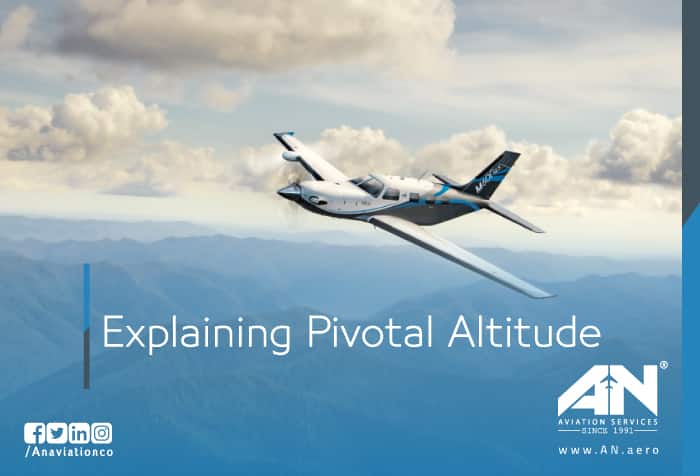
Whether you’re training to become a commercial pilot or aiming to earn your flight instructor certificates, understanding key flight maneuvers and their underlying principles is critical.
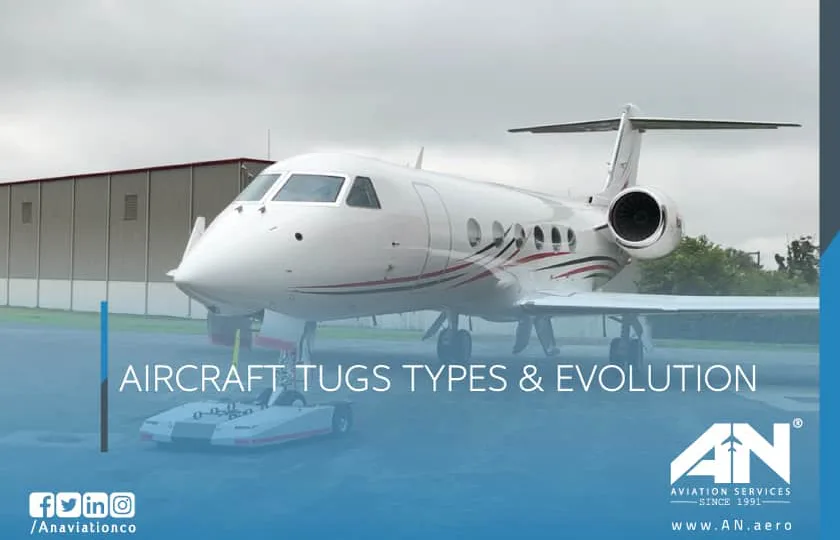
Behind every smooth aircraft operation on the ground lies the often-overlooked machinery that makes it possible: aircraft tugs.

When you’re cruising at 35,000 feet, staying hydrated is essential for your comfort and health. But what about the airplane tap water used for making coffee or tea? Should you trust it?
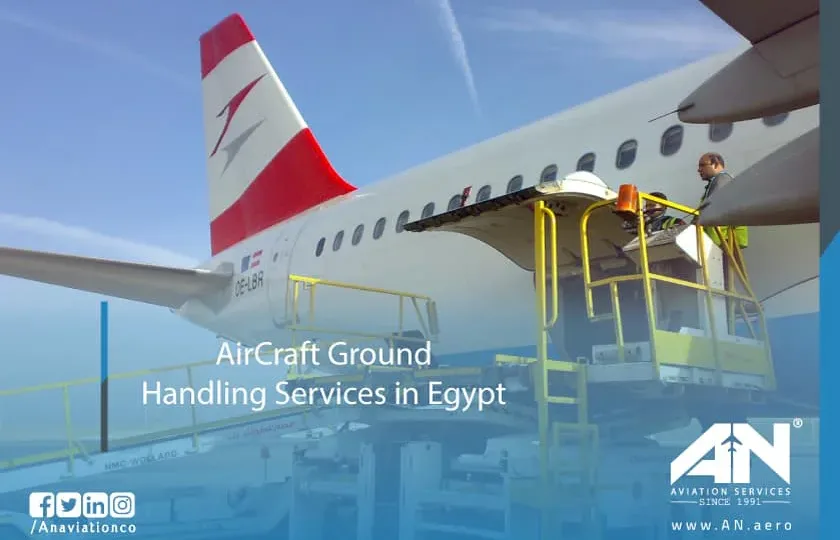
Ground handling in Egypt plays a pivotal role in ensuring the seamless operations of flights arriving and departing from the country’s bustling airports.

From the early days of single-level cabins to the iconic double-decker planes like the Boeing 747 and Airbus A380, aviation technology has consistently pushed the boundaries of what’s possible.
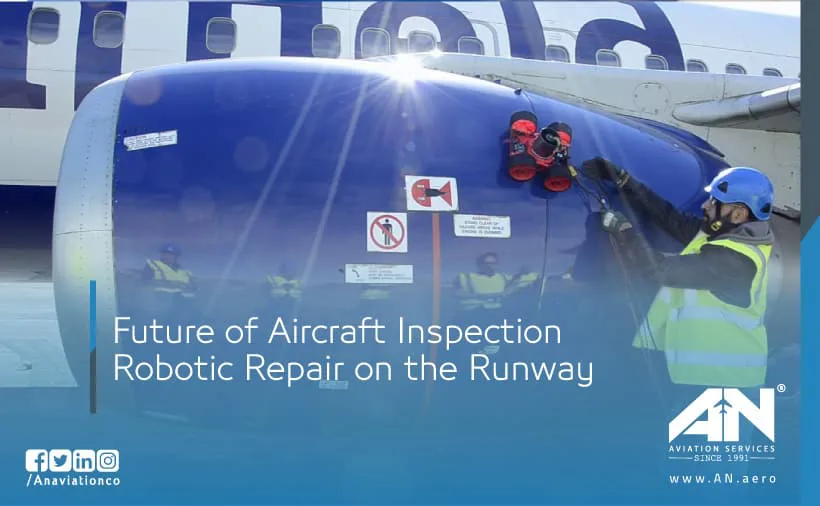
The aviation industry has always been at the forefront of innovation, constantly seeking ways to improve safety, efficiency, and performance. One area experiencing a groundbreaking transformation is aircraft inspection and maintenance.
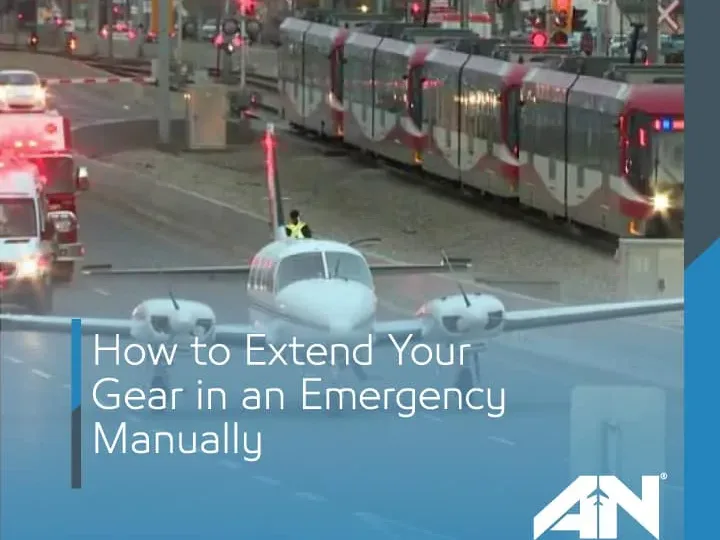
For pilots, having a thorough understanding of aircraft systems is essential, especially when faced with unforeseen emergencies.
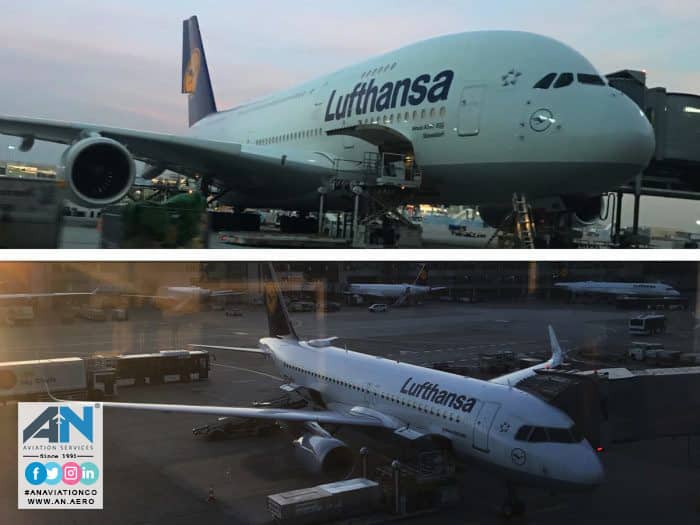
But when it comes to the type of aircraft used—narrowbody or widebody—there’s an ongoing debate about which is better suited for long haul flights.
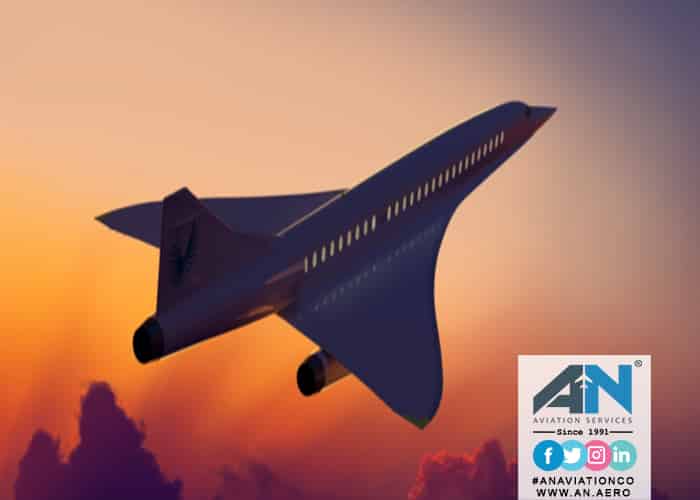
In the late 20th century, the concorde became a symbol of supersonic air travel, allowing passengers to cross the Atlantic in record-breaking time.