Choosing a private jet is more than just a matter of luxury—it’s about finding the right fit for your travel needs, comfort preferences, and budget. From short regional flights to long-haul international journeys, there are various categories of private jets that cater to different requirements. Understanding these options is key to making an informed decision and getting the most out of your private jet experience.
In this guide, we’ll take a closer look at different private jet categories, their features, and help you find the best option for your travel plans.
Light Jets: Ideal for Short Trips and Smaller Groups
For short hops and small groups, light jets are an excellent choice. They are designed for short to medium-range flights and offer a great balance between speed, comfort, and cost-effectiveness. Light jets are ideal for regional business travel or short weekend getaways.
- Capacity: Seats 4–7 passengers comfortably.
- Range: Up to 1,500 nautical miles, which is suitable for domestic and regional travel.
- Advantages: Light jets are faster than propeller planes and can access smaller airports with shorter runways, which reduces overall travel time.
- Best for: Business executives, small family groups, or friends looking to travel short distances in a cost-effective yet comfortable manner.
Midsize Jets: A Step-Up in Range and Comfort
Midsize jets are the perfect solution if you need a little more space and range. These jets are a popular choice for travelers who want added comfort on longer trips without opting for a large aircraft.
- Capacity: Accommodates 7–9 passengers.
- Range: Up to 3,000 nautical miles, allowing for coast-to-coast flights or longer domestic journeys.
- Advantages: Midsize jets have larger cabins with standing room, private lavatories, and more luggage space, making them ideal for longer flights with small groups.
- Best for: Business trips, family vacations, or groups wanting more space and comfort on longer journeys.
Super Midsize Jets: Luxury and Long-Range Capability
If you’re looking for extended range and more luxurious amenities, super midsize jets offer a great solution. They provide a spacious cabin, increased luggage capacity, and more range than midsize jets.
- Capacity: Seats 8–10 passengers.
- Range: Up to 3,500 to 4,000 nautical miles, making them perfect for transcontinental and some international flights.
- Advantages: These jets often feature modern entertainment systems, full-service galleys, and additional luggage space, making longer trips more comfortable and enjoyable.
- Best for: Longer business trips, family vacations, or corporate groups who want luxury combined with longer travel capabilities.
Heavy Jets: High Capacity and Long-Distance Comfort
Heavy jets are built for long-range travel and larger groups. These jets offer significant cabin space, high-end amenities, and the ability to cover long distances non-stop, making them ideal for international travel.
- Capacity: Seats 10–18 passengers.
- Range: Up to 6,000 nautical miles, suitable for non-stop flights between continents.
- Advantages: Heavy jets offer multiple cabin zones, full galleys, private sleeping arrangements, and sophisticated entertainment options. They are designed for travelers seeking luxury and comfort on long-haul flights.
- Best for: International business travel, corporate groups, or families who need long-range capabilities and luxury amenities.
Ultra-Long-Range Jets: The Ultimate in Private Jet Travel
For those who need non-stop flights to the farthest destinations, ultra-long-range jets are the pinnacle of luxury travel. These jets offer the longest range, allowing travelers to fly non-stop between major cities around the world.
- Capacity: Seats 12–19 passengers.
- Range: Over 7,000 nautical miles, making it possible to fly non-stop between cities like New York and Tokyo.
- Advantages: These jets offer spacious cabins with multiple seating configurations, lie-flat beds, private lounges, and top-of-the-line in-flight entertainment. They are ideal for VIPs, business leaders, and anyone seeking a truly luxurious experience.
- Best for: Long-distance international travel, high-profile executives, celebrities, or large families wanting the ultimate flying experience.
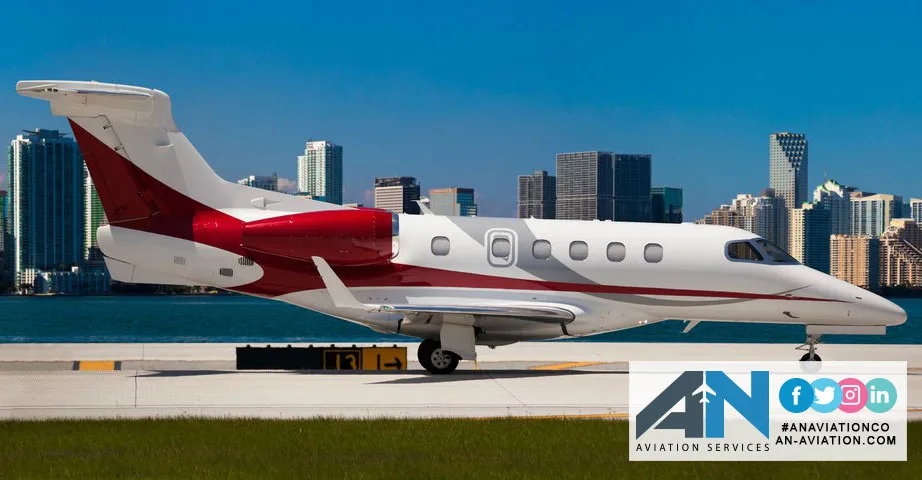
Very Light Jets (VLJs): Budget-Friendly Private Jet Travel
If you’re new to the world of private aviation or have simple travel needs, Very Light Jets (VLJs) are an excellent entry-level option. These jets are compact and cost-effective, perfect for short trips with a few passengers.
- Capacity: Seats 3–5 passengers.
- Range: Up to 1,200 nautical miles, ideal for regional flights.
- Advantages: VLJs are highly fuel-efficient and can access smaller regional airports, offering greater flexibility for short trips.
- Best for: Quick business meetings, short weekend getaways, or small groups looking for an affordable introduction to private jet travel.
Conclusion: Choosing the Perfect Private Jet
When deciding which private jet is right for you, consider factors such as flight distance, number of passengers, desired amenities, and budget. From quick regional hops to long-distance international flights, there’s a private jet tailored to your travel needs. Light and very light jets offer cost-effective options for short trips, while midsize and heavy jets provide more space and comfort for longer journeys. Ultra-long-range jets deliver the ultimate luxury experience for those traveling globally without limits.
For first-time private jet travelers, consulting with a private aviation expert can help you make the right choice based on your specific requirements and travel plans. The key is to find the aircraft that fits your lifestyle and makes your journey as comfortable and enjoyable as possible.