

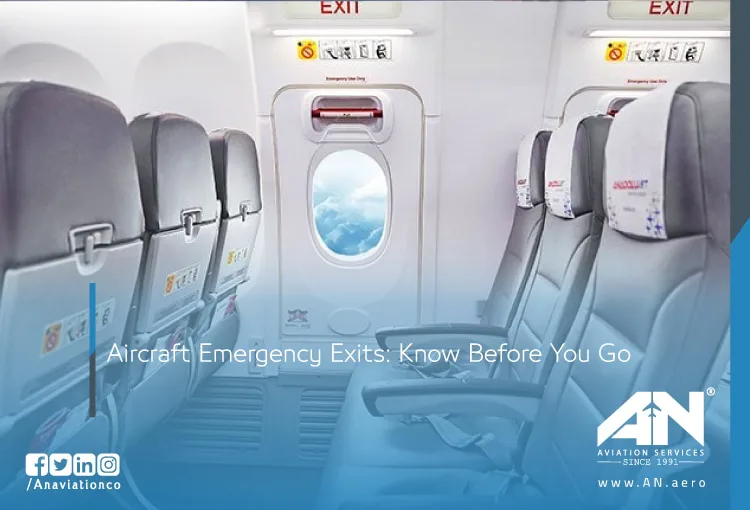
When we step aboard an airplane, many of us are preoccupied with our destination, the in-flight entertainment, or simply finding our seat.
Aircraft
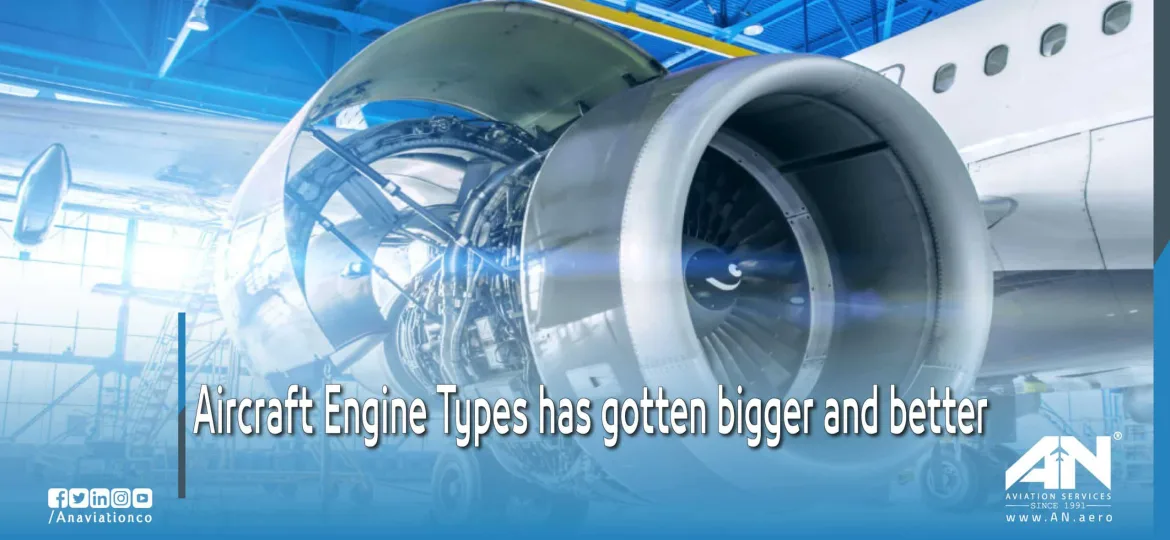
The evolution of aircraft engine technology over the decades is a testament to human ingenuity and the unrelenting quest for efficiency, speed, and sustainability in aviation.
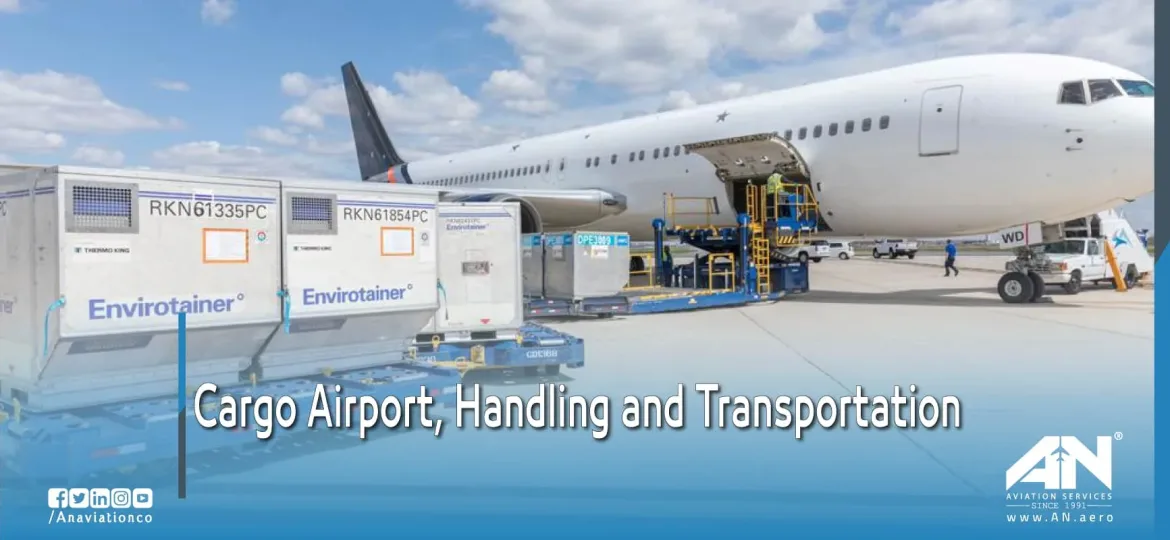
The logistics and aviation industries play a pivotal role in global trade, and at the heart of this intricate network lies the cargo airport.
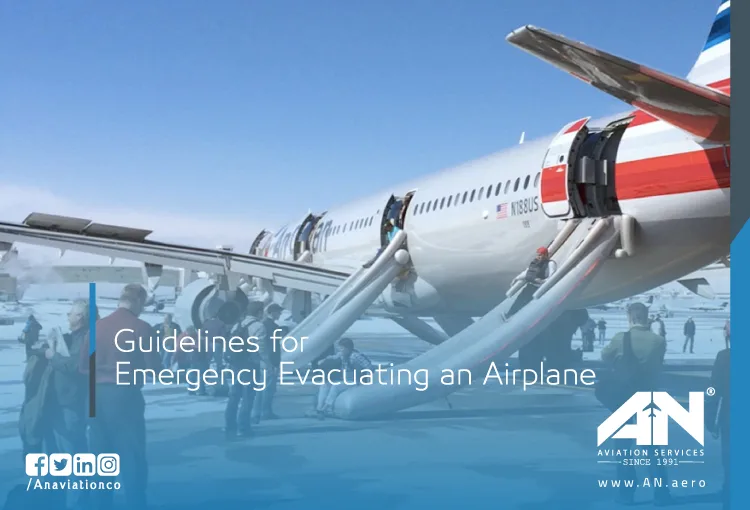
The prospect of an emergency evacuation during air travel can be unsettling, but preparation and knowledge can make all the difference.
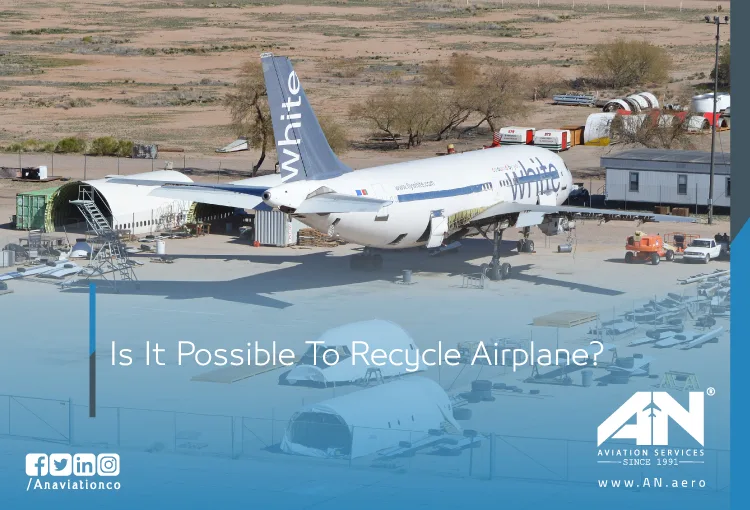
When an airplane completes its service life, the question arises: what happens to it?
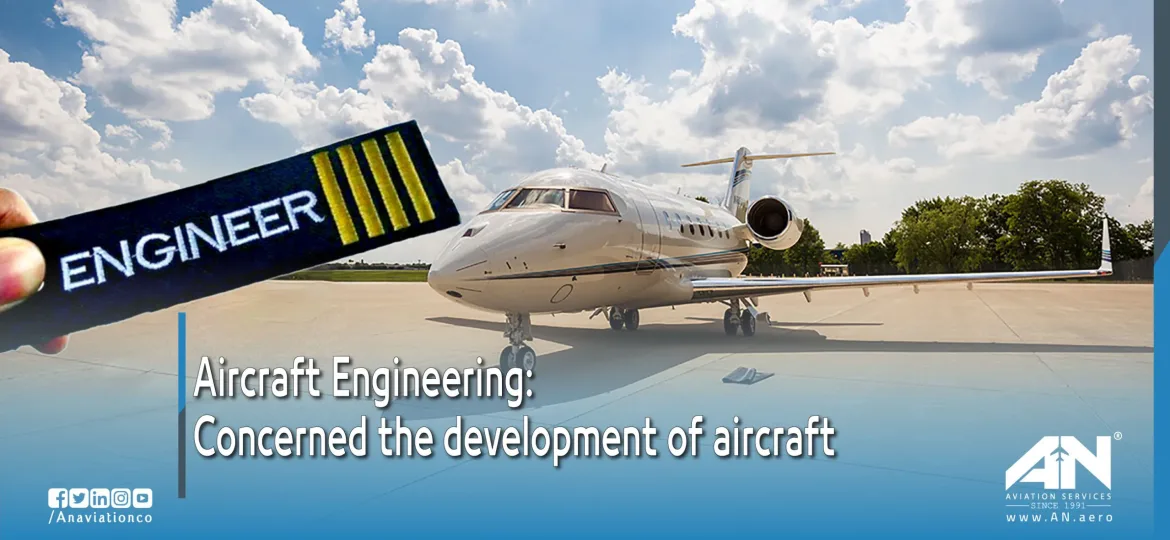
From the sleek, high-speed jets of today to groundbreaking designs of the future, aircraft engineering is the cornerstone of innovation in the aviation industry.
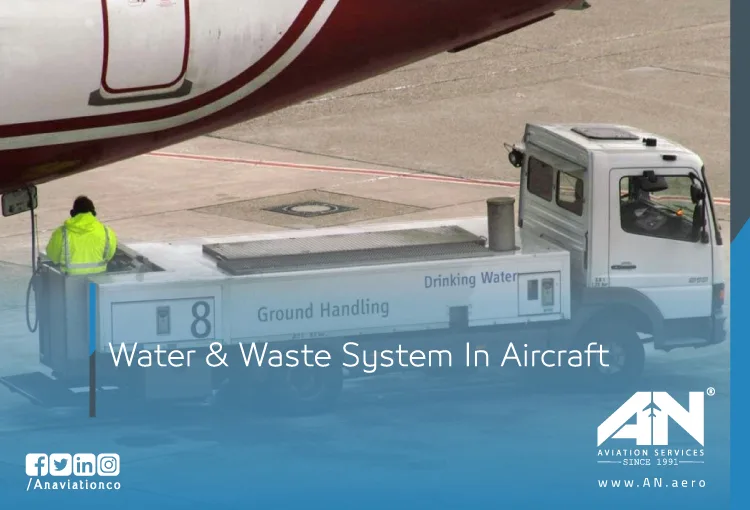
Among these is the water and waste system, which plays a vital role in ensuring onboard hygiene, hydration, and convenience.
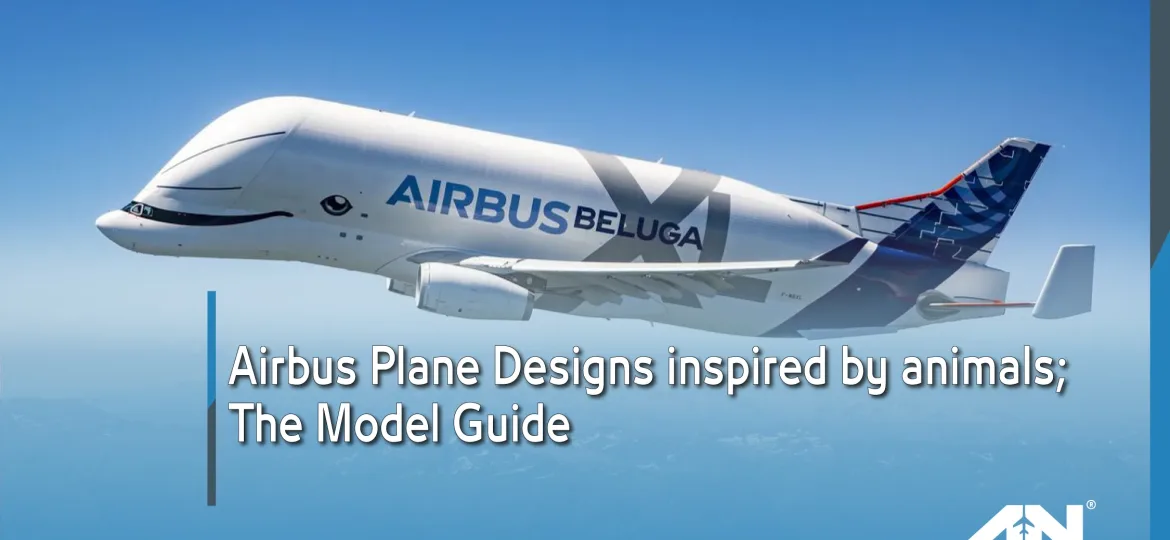
The aviation industry has long looked to nature for inspiration. With its incredible diversity of adaptations and efficiencies, the animal kingdom serves as a source of creative breakthroughs in design and technology.

The Airbus A320 and A330 families have long been central to the success of commercial aviation.
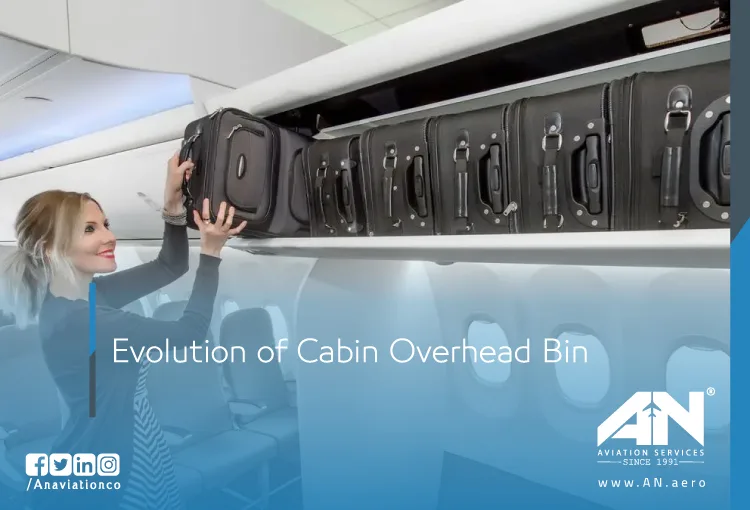
When stepping onto an airplane, one of the first things passengers notice is the overhead bin—a seemingly simple yet vital component of the aircraft cabin.