

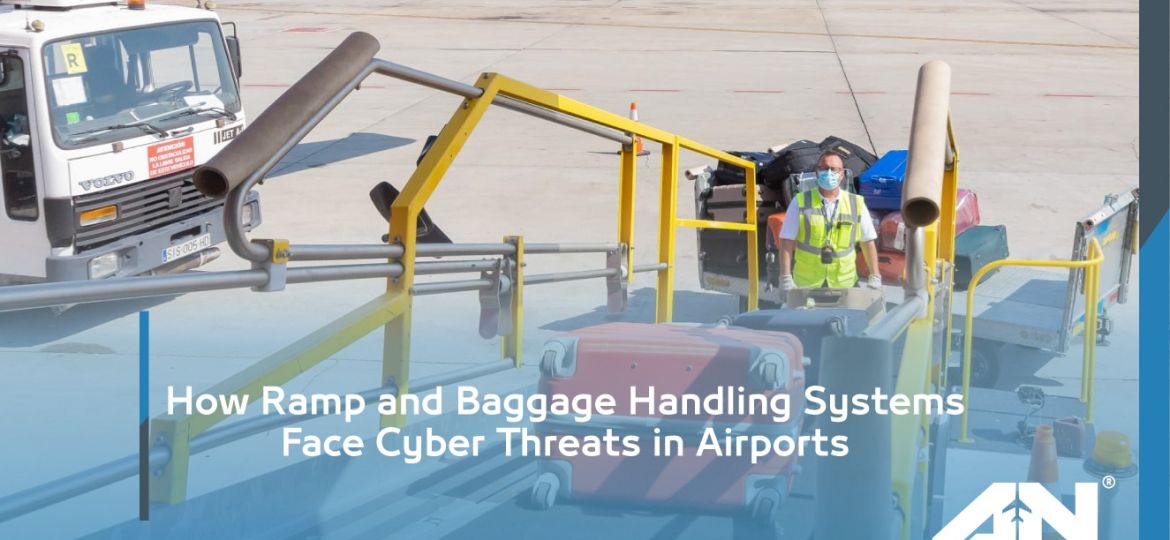
Cyber threats are no longer limited to airline reservation systems or passenger data. They increasingly affect airport ground operations, where digital systems control time-critical activities.
Ramp and baggage handling systems rely on software, networks, and remote access to keep aircraft moving safely and on schedule. When these systems are disrupted, the impact is immediate and operational.
For airports and ground handlers operating, this risk is growing as ground operations become more connected and dependent on digital platforms. A cyber incident on the ramp can stop flights just as effectively as a mechanical failure.
Your Ground Operations Are a Prime Cyber Target
Ground operations combine three factors that attract attackers. They are operationally critical, time sensitive, and often supported by older systems. Ramp handling systems coordinate baggage loading, fueling, and ground support equipment within tight turnaround windows. Any interruption quickly leads to delays and congestion.
Because ground systems directly affect flight schedules, attackers understand that even short disruptions can create significant financial and reputational pressure on operators and airlines.
Attackers Focus on Disrupting Operations, Not Just Stealing Data
While some cyber attacks focus on stealing information, many aim to interrupt operations. Disruption creates urgency. When baggage handling systems stop or fuel delivery cannot be scheduled, airport teams have limited options. Manual workarounds are slow and often impractical at scale.
This operational pressure increases the impact of the attack and explains why ground operations are frequently targeted.
System Shutdowns Create Immediate Operational and Financial Impact
A blocked baggage system prevents luggage from reaching the aircraft. A disabled fuel dispatch system keeps aircraft parked at gates. In both cases, delays spread quickly across flight schedules, crew rotations, and airport slots.
The longer systems remain unavailable, the greater the cost to airlines, handlers, and airport operators. This environment creates strong pressure to restore systems as quickly as possible.
How Cyber Attacks Cripple Ramp and Baggage Operations?
Most cyber incidents affecting ramp operations do not involve physical damage. Instead, they target the software and networks that control equipment and workflows. Once access to these systems is blocked or manipulated, normal operations cannot continue.
1- Ransomware on Baggage Handling Systems (BHS)
Baggage handling systems depend on centralized control software to manage conveyors, scanners, and sorting logic. Ransomware attacks can encrypt this software, preventing operators from controlling baggage flow.
When encryption occurs, operators lose visibility and control. Conveyor belts may stop completely, or systems may fail to respond to commands. Even though the physical equipment remains intact, it cannot be used safely.
Without automated sorting and routing, baggage quickly accumulates. Flights may be delayed while teams search for bags manually, and luggage may be loaded onto the incorrect aircraft. Recovery can take many hours, even after systems are restored.
2- Fuel Management System Sabotage
Fuel delivery is coordinated through digital scheduling and dispatch systems. These systems ensure the correct aircraft receives fuel at the correct time. Interference with these platforms directly affects departure readiness.
If dispatch systems are disabled or altered, fuel trucks may not receive assignments or may be sent incorrect instructions. Drivers and supervisors may not be able to confirm priorities or changes.
Fuel delays affect not only individual flights but also downstream operations. Missed departure slots and expired crew duty times can disrupt the entire daily schedule.
3- Telematics Hijacking of Ground Support Equipment (GSE)
Ground support equipment relies on telematics systems for tracking, diagnostics, and availability reporting. These systems support planning and efficient use of assets across the ramp.
When telematics data is blocked or manipulated, equipment may appear unavailable or faulty. Dispatchers cannot rely on system information to assign resources.
Without accurate equipment data, ramp teams struggle to coordinate turnarounds. Aircraft may wait for equipment that is physically available but digitally inaccessible.
Pinpointing Vulnerabilities and Defining Immediate Actions
Many cyber risks in ground operations stem from long-standing technical and operational practices. Identifying these weaknesses is the first step in reducing exposure.
- Pinpoint: Baggage or Fuel Systems Running on Unsupported Software
Older systems that no longer receive vendor updates present a significant risk. Known vulnerabilities remain unpatched and can be exploited with minimal effort.
Action Needed: Require a Complete Software Inventory From Ground Handlers
Operators should request a full inventory of operational software, including version status and vendor support. Critical ramp and baggage handling systems must remain on supported versions with regular security updates.
- Pinpoint: Operational Devices Using Public Airport Wi-Fi
Tablets and handheld scanners used on the ramp often transmit operational data. Public networks do not provide sufficient protection for this traffic.
Action Needed: Use Secure and Encrypted Private Networks
All operational devices should connect through private, encrypted networks. This reduces the risk of interception and unauthorized access.
- Pinpoint: Uncontrolled Remote Access by Multiple Equipment Vendors
Vendors often require remote access for maintenance and troubleshooting. Without strict controls, these connections can become entry points for attackers.
Action Needed: Audit and Control Third-Party Access
Vendor access should be limited, monitored, and removed immediately after use. Access rights must be reviewed on a regular basis.
Who Is Behind These Attacks and What Are Their Objectives?
Cyber threats to aviation operations come from different sources, but their effects on ramp operations are similar.
- Criminal Ransomware Groups: These groups seek financial gain by disrupting critical operations. Airports and ground handlers are attractive targets because downtime quickly translates into losses. By stopping the ramp and baggage handling systems, attackers increase pressure to restore operations rapidly.
- State-Sponsored or Politically Motivated Groups: Some attacks aim to disrupt transportation networks rather than generate direct financial returns. Aviation operations affect trade, tourism, and national connectivity, making them high-impact targets.
How AN Aviation Services Builds a Cyber-Resilient Ramp?
AN Aviation Services approaches ramp protection through system oversight, access management, and operational discipline. This includes reviewing software support status, controlling network connectivity, and managing vendor access to ramp and baggage handling systems. These measures help operators reduce the risk of cyber-related disruptions and maintain stable ground operations.
Contact AN Aviation Services to assess your ramp and baggage handling systems and implement cyber protections that minimize downtime and risk.
FAQs
How can a hacker in another country stop my bags from loading?
Hackers can access networked baggage handling systems remotely. Once inside, they can block or lock the software controlling conveyors and sorting machines, preventing bags from reaching aircraft.
What is the most common way hackers get into ramp systems?
Most attacks start with outdated software, weak passwords, or unsecured remote access for vendors. Phishing emails to staff can also give attackers a way in.
Which systems are most vulnerable: baggage, fuel, or GSE?
Baggage handling systems are the most exposed due to centralized software and older platforms. Fuel management systems and GSE telematics are also vulnerable if networks or access controls are weak.
Are older airports with legacy systems at greater risk?
Yes. Legacy systems often run on unsupported software and miss security updates. This makes them easier targets for cyber attacks.
Can a cyber attack on the ramp cause a physical safety incident?
Yes. If software is blocked or gives incorrect data, equipment may be positioned incorrectly, or fuel may be mismanaged, increasing safety risks during aircraft turnaround.
How often should ground handling companies test their cyber defenses?
Ground handlers should conduct regular assessments at least once a year, and after software updates, new systems, or vendor access changes, to identify weaknesses before they are exploited.