

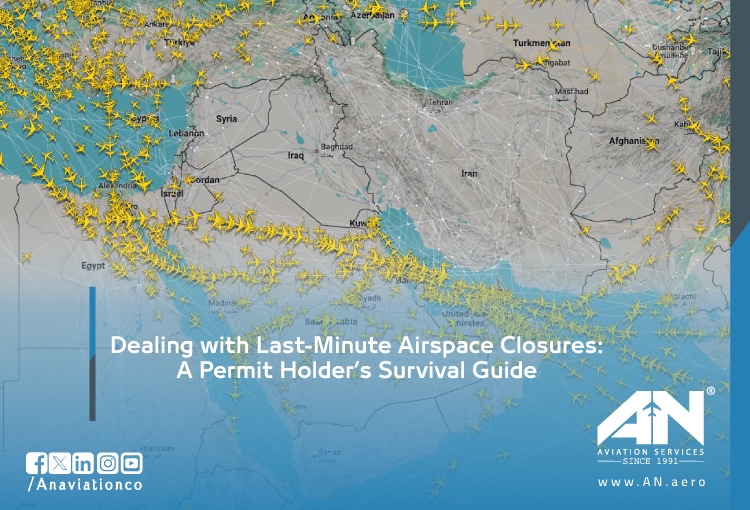
In modern aviation, even the most carefully planned route can disappear overnight. Operators may secure all necessary overflight and landing permits only to discover hours before departure that the airspace they planned to use is no longer available.
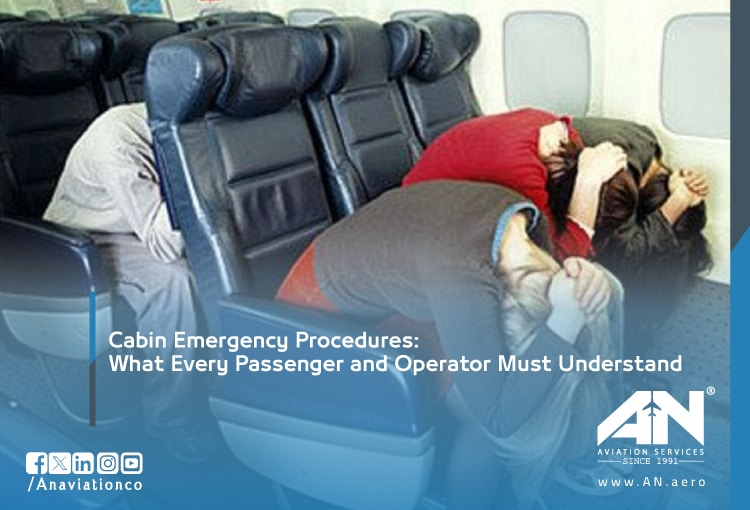
Aviation safety is built on preparation, precision, and clearly defined processes. At the core of this framework are cabin emergency procedures, structured actions designed to protect passengers and crew during unexpected events.

Operating across Middle and South Africa requires more than a flight plan and an approved schedule. Behind every successful African overflight permit lies a structured, technical exchange of coded aviation communication.
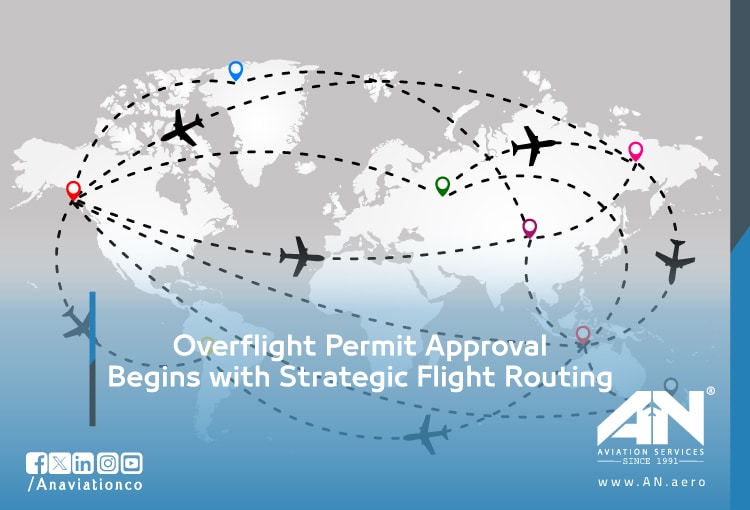
When operators consider overflight permit approval, attention typically focuses on documentation, airworthiness certificates, insurance validity, aircraft registration, and lead times.

Aviation safety has always been the foundation of operational excellence. However, the structure of aviation safety management systems has evolved significantly over the past two decades.

In today’s operating environment, flight permits are no longer a routine administrative task. They are a critical operational dependency that directly impacts schedule integrity, cost control, and regulatory compliance.

When airport security is mentioned, most people immediately think of fences, security checkpoints, and surveillance cameras.

Transiting African airspace presents unique operational and regulatory challenges for commercial and private flight operators. While Africa offers strategic routing advantages between Europe, the Middle East, and Southern regions, aviation permit requirements across the continent remain fragmented, highly sovereign, and strictly enforced.