

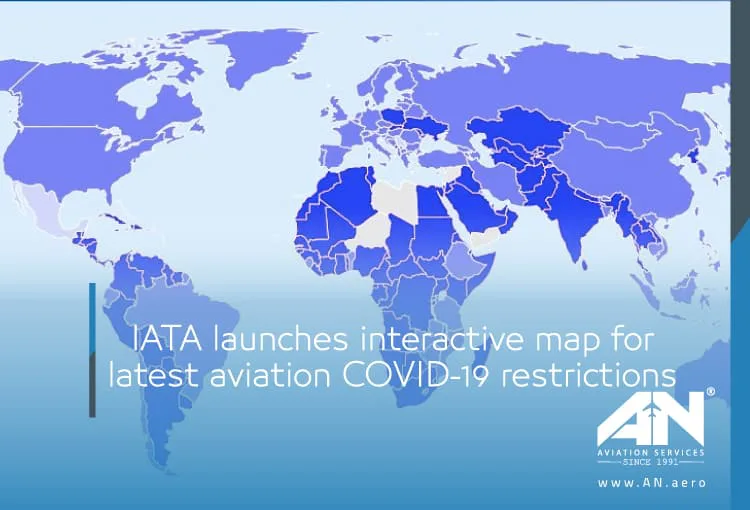
The COVID-19 pandemic brought unprecedented challenges to the aviation industry, disrupting air travel across the globe. One of the most significant obstacles for both passengers and airlines has been navigating the constantly evolving travel restrictions and requirements imposed by various countries. To address this issue and support a smooth recovery for the aviation sector, the International Air Transport Association (IATA) has introduced an innovative solution: the IATA Interactive Map.
This map serves as a centralized, real-time tool that provides travelers and industry stakeholders with the latest information on COVID-19-related travel restrictions, helping to ensure informed decision-making and seamless travel experiences.
The Need for an Interactive Map
The COVID-19 pandemic created a labyrinth of regulations as governments around the world introduced measures to limit the spread of the virus. From entry bans and quarantine requirements to vaccination mandates and testing protocols, keeping track of these constantly changing rules became a daunting task for travelers, airlines, and even governments.
For travelers, this uncertainty often led to confusion, missed flights, or last-minute cancellations. For airlines, it resulted in operational inefficiencies and disrupted schedules. IATA recognized the urgent need for a comprehensive and user-friendly platform that could provide up-to-date information on travel restrictions globally.
Introducing the IATA Interactive Map
The IATA Interactive Map is a digital platform designed to simplify the complexities of international travel in the post-pandemic world. Built on a foundation of real-time data, the map enables travelers and aviation professionals to quickly access information about specific countries’ COVID-19 restrictions and entry requirements.
Key Features of the IATA Interactive Map:
- Real-Time Updates: The map is continuously updated with the latest travel regulations, ensuring users have access to the most accurate information.
- Global Coverage: The tool provides information for over 190 countries, offering a comprehensive view of the global air travel landscape.
- Searchable by Country: Users can search for restrictions and requirements by selecting a specific country or region.
- User-Friendly Interface: The platform is designed to be intuitive, allowing travelers to quickly find the information they need.
- Trusted Source: The map relies on data provided by IATA’s Timatic service, a globally recognized resource used by airlines to verify passenger travel documentation.
How the Map Benefits Travelers and Airlines?
The IATA Interactive Map has proven to be a game-changer for air travel during and after the COVID-19 pandemic. Its impact can be seen in several key areas:
1. Empowering Travelers:
The map allows passengers to plan their trips with confidence by providing clear information on entry requirements, testing mandates, quarantine protocols, and vaccination policies. This transparency helps travelers avoid surprises and ensures they are fully prepared for their journey.
2. Supporting Airlines:
Airlines rely on accurate and up-to-date information to manage their operations. The map helps carriers communicate essential details to passengers, avoid operational disruptions, and maintain compliance with international regulations.
3. Streamlining the Recovery of Air Travel:
By reducing confusion and ensuring a smoother travel experience, the map supports the recovery of global air travel. It encourages passenger confidence and fosters a more efficient aviation industry.
The Role of Technology in Modern Air Travel
The launch of the IATA Interactive Map highlights the growing importance of technology in shaping the future of air travel. During the COVID-19 pandemic, digital tools and platforms became essential for managing health and safety concerns, and their role will only expand in the years to come.
From contactless check-ins to health passport apps, the aviation industry is embracing innovative solutions to enhance safety, efficiency, and passenger convenience. The IATA Interactive Map is a prime example of how technology can bridge gaps and address the challenges of a rapidly evolving landscape.
A Step Towards Safer, Smarter Travel
As the aviation industry continues to navigate the effects of the COVID-19 pandemic, tools like the IATA Interactive Map play a crucial role in ensuring safer and smarter travel. By centralizing information and making it easily accessible, the platform not only addresses immediate challenges but also sets the stage for long-term improvements in how travelers and airlines handle dynamic global situations.
With ongoing updates and enhancements, the map promises to remain a valuable resource for anyone involved in air travel, from frequent flyers to aviation professionals.
Conclusion
The IATA Interactive Map is a testament to the aviation industry’s resilience and ability to innovate during challenging times. By providing real-time information on COVID-19 restrictions, the tool empowers travelers, supports airlines, and facilitates the recovery of global air travel.
As we move forward, tools like this will become indispensable in navigating a world where flexibility and preparedness are key. Whether you’re a passenger planning your next journey or an airline striving to adapt to new realities, the IATA Interactive Map offers the clarity and confidence needed to take flight in a post-pandemic world.
FAQ
How has the IATA interactive map evolved beyond monitoring health restrictions?
The platform has transitioned from a reactive COVID-19 tracker into a comprehensive “Global Travel Requirement” engine. It now serves as a real-time database for visa regulations, electronic travel authorizations (eTAs), and varying environmental or health-related entry mandates. By centralizing data from over 200 countries, it provides a unified source of truth for airlines and travelers to verify complex cross-border documentation before reaching the airport.
Why is the integration of Timatic into digital maps critical for modern airlines?
Timatic is the industry-standard database that powers most interactive travel maps. Its real-time integration allows airlines to automate the check-in process by instantly cross-referencing a passenger’s profile with current destination laws. This prevents boarding errors, reduces the financial penalties associated with deportations, and ensures that the passenger’s digital “Ready-to-Fly” status is verified long before they arrive at the departure gate.
How do these interactive tools assist in the rollout of Digital Travel Credentials (DTC)?
Interactive compliance maps are the visual interface for the shift toward paperless travel. They help travelers understand which jurisdictions currently accept verifiable digital IDs and biometric passports. As more nations adopt decentralized identity standards, these maps provide the necessary clarity on where a physical document is still mandatory versus where a smartphone-based credential will grant seamless, “walk-through” entry.
Can travelers use interactive maps to verify local sustainable aviation mandates?
Modern iterations of these tools are beginning to include “Green Mobility” indicators. This includes information on which airports require specific carbon offset participation or where regional flights are restricted in favor of high-speed rail. For the modern eco-conscious traveler, these maps act as a strategic planning tool to ensure their itinerary aligns with both legal requirements and sustainability standards.
Is the data on IATA-powered maps updated frequently enough for emergency travel?
The system relies on a constant stream of updates from government agencies, health authorities, and border police. In a world where entry requirements can change within hours due to geopolitical shifts or localized health alerts, the map’s backend is designed to refresh near-instantaneously. This high-frequency data ensures that travel agents and corporate flight departments can make life-saving decisions based on the most current regulatory landscape.