


Aircraft design is a fascinating blend of art and science, where engineers and designers strive to create machines that are not only functional but also aesthetically pleasing. Over the years, we have seen aircraft that capture the imagination with their sleek lines and elegant forms. However, not every plane can be described as beautiful. In the pursuit of performance, efficiency, or specific operational requirements, some aircraft have ended up with designs that are more functional than attractive.
In this post, we dive into the stories behind these unique flying machines, exploring why they look the way they do and how they came to be. Join us as we take a light-hearted journey through the skies with the 11 ugliest aircrafts ever built, and discover the surprising reasons behind their unconventional appearances. Whether you see them as charming oddities or simply aesthetic missteps, these aircraft are sure to leave a lasting impression.
1. PZL M15 Belphegor
The PZL M15 Belphegor was a Polish agricultural aircraft with a bizarre combination of jet propulsion and a biplane structure. Designed for crop dusting, it featured an unusual top-mounted jet engine paired with dual wings. The result was a bulky, ungainly appearance that left many scratching their heads. The mix of a jet engine with an otherwise old-fashioned biplane design earned it a spot on many lists of strange-looking aircraft.

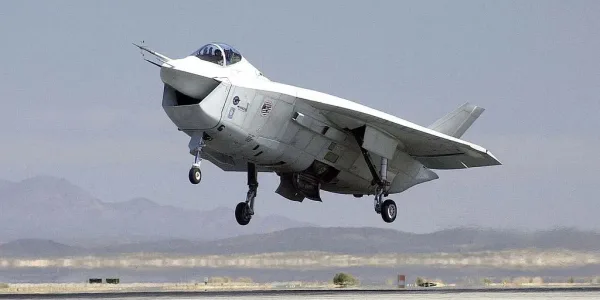
2. Boeing X-32
The Boeing X-32 was an experimental aircraft developed for the Joint Strike Fighter program. It featured a wide intake and a short, chubby fuselage, which gave it an almost cartoonish appearance. The aircraft’s wide mouth-like air intake, along with its stubby wings and squat proportions, led to comparisons with an unpleasant political figure, earning it the unflattering nickname “Monica.” Although it was advanced technologically, its aesthetics left much to be desired.
3. Antonov An-72
The Antonov An-72 is a Soviet-designed cargo and transport aircraft known for its unusual engine placement. The engines are mounted above the wings, giving the aircraft a peculiar and top-heavy look. This design, intended to improve short takeoff and landing performance, resulted in a unique shape that is far from sleek. The An-72’s appearance has often been described as awkward and unbalanced.

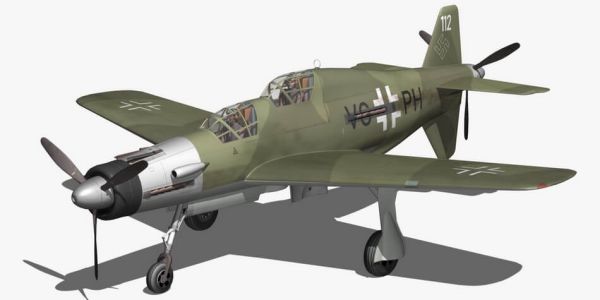
4. Dornier Do 335
The Dornier Do 335 was a German World War II fighter aircraft with a distinctive push-pull configuration, featuring both a front and rear propeller. This arrangement was meant to provide high speed and eliminate asymmetric thrust, but it also led to a rather peculiar appearance. The long fuselage with propellers at both ends looked unconventional and somewhat ungainly, making the Do 335 stand out as an oddity among wartime aircraft.
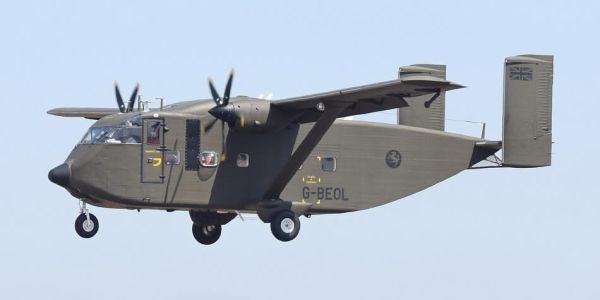
5. Short SC.7 Skyvan
The Short SC.7 Skyvan is a British twin-turboprop aircraft designed for cargo and passenger transport. It is best known for its boxy, almost cubical shape, which has earned it the nickname “Flying Shoebox.” The flat front end and high, square cabin make the Skyvan look more like a bus than an airplane. Despite its unattractive design, the Skyvan has been valued for its practicality and versatility.
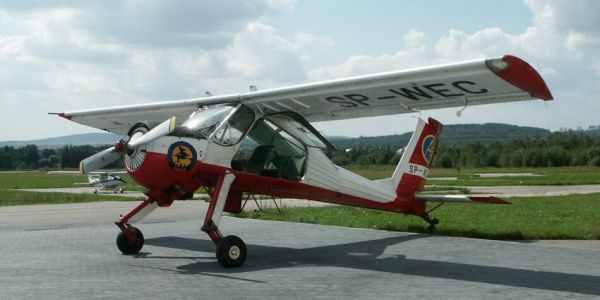
6. PZL-104 Wilga
The PZL-104 Wilga is a Polish utility and training aircraft with a rugged design. Its tall landing gear and high-wing configuration give it a distinctive, albeit awkward, profile. The large, bulbous canopy and long nose contribute to its ungainly look. Despite its unattractive appearance, the Wilga has been praised for its excellent handling characteristics and durability in various roles, including as a glider tug and bush plane.
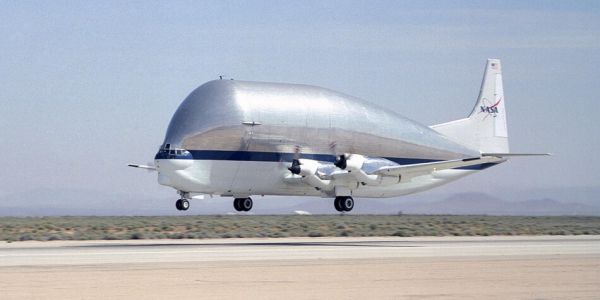
7. Super Guppy
The Super Guppy is a large, outsized cargo aircraft designed to transport oversized cargo, including spacecraft components. It has a bulbous, inflated appearance due to its modified fuselage, which is designed to accommodate large, awkward loads. The aircraft’s oversized, rounded body looks out of proportion with its wings and tail, giving it a bloated, whale-like appearance. While not a beauty, the Super Guppy has been crucial for transporting massive items that other aircraft could not handle.
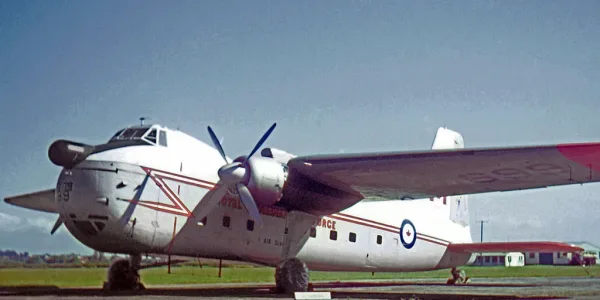
8. Bristol Freighter
The Bristol Freighter is a British twin-engine transport aircraft known for its short, stubby design and blunt nose. It was used for both freight and passenger transport, and its large, boxy fuselage made it practical for carrying vehicles and other large cargo. However, its appearance has been likened to a “flying whale,” with its short wings and large, almost cylindrical body. The Freighter’s design prioritizes function over form, resulting in a rather unattractive aircraft.
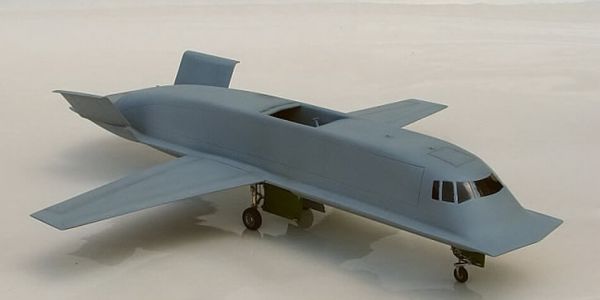
9. Northrop Tacit Blue
The Northrop Tacit Blue was an experimental stealth aircraft developed in the 1980s. It featured a boxy, awkward shape that was designed to minimize radar cross-section. The aircraft’s unattractive, non-aerodynamic design was a result of its cutting-edge stealth technology. Its unusual profile, with a large, rectangular fuselage and strange, humped cockpit area, made it look more like a flying shoebox than a sleek jet.
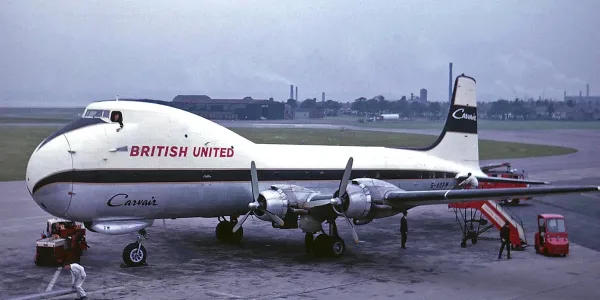
10. ATL-98 Carvair
The ATL-98 Carvair was a modified version of the Douglas DC-4, converted to transport vehicles across the English Channel. The aircraft featured an extended, bulbous nose that allowed cars to be driven directly into the cargo hold. This modification gave the Carvair an odd, unbalanced appearance, with its large, awkward hump disrupting the sleek lines of the original DC-4 design. The Carvair’s peculiar look has made it a memorable, if not particularly attractive, part of aviation history.
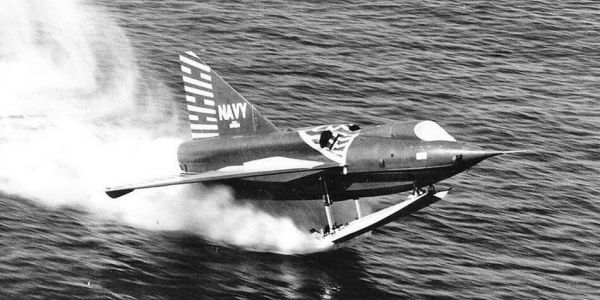
11. Convair F2Y Sea Dart
The Convair F2Y Sea Dart was a unique seaplane fighter prototype developed in the 1950s. It featured retractable skis for water landings instead of traditional landing gear. The aircraft’s body combined elements of a jet fighter with the features needed for water operation, resulting in a strange, mixture appearance. The Sea Dart’s compact design, coupled with its unusual landing apparatus, made it look awkward and clumsy compared to more conventional jet fighters.
Conclusion
While beauty may be in the eye of the beholder, these 11 ugliest aircrafts have often been cited for their unusual and unattractive designs. Each plane, despite its aesthetic shortcomings, played a unique role in aviation history, demonstrating that functionality often trumps appearance in the world of aircraft design. Whether for practical purposes or experimental innovation, these aircraft have left a lasting impression due to their distinctive looks.
FAQs
Why were some aircraft designed with such unusual or “ugly” shapes?
Many of the world’s odd-looking aircraft were shaped the way they were for performance rather than beauty. Designers often prioritized aerodynamic efficiency, cargo capacity, experimental testing, stealth, or cost-saving construction. What looks “ugly” to passengers is often an intentional engineering choice that solved a specific problem at the time.
Does an aircraft’s “ugly” appearance affect how safe or reliable it is?
Not at all. Appearance has little to do with flight safety. Even the most unconventional or awkward-looking aircraft go through the same strict safety, testing, and certification processes as traditional models. Many “ugly” aircraft are remembered for their reliability or engineering success, not just their looks.
Are ugly aircraft usually experimental prototypes or actual production models?
A mix of both. Some of the ugliest aircraft in history were experimental prototypes created to test new aerodynamic concepts. Others entered full production for military or transport purposes. Ugly aircraft often represent stepping stones that helped engineers develop future, more refined designs.
What makes people classify an aircraft as one of the “ugliest” ever built?
Aircraft often earn this title due to odd proportions, bulky fuselages, mismatched wings, unusual cockpits, or unconventional landing gear placement. In many cases, the aircraft’s shape was optimized for a unique mission, giving it a look that appears strange by commercial or aesthetic standards.
Are new aircraft today still being designed with unconventional or unattractive shapes?
Yes — although modern aircraft tend to be more polished, innovation still leads to unconventional forms. Experimental UAVs, blended-wing concepts, stealth aircraft, and ultra-efficient transport prototypes continue to challenge traditional aesthetics. Functional performance still outweighs visual appeal in aerospace design.
Why do cargo and military aircraft tend to look “uglier” than passenger planes?
Cargo and military designs often prioritize payload capacity, mission requirements, or equipment integration rather than passenger comfort. Oversized cargo doors, expanded fuselages, and reinforced structures can create shapes that appear bulky or unbalanced — but they’re optimized for the job they perform.
Which features are most common among the aircraft considered the ugliest in aviation history?
Common traits include oversized noses, uneven wing placement, boxy fuselages, asymmetrical layouts, exposed structural components, and unusually tall landing gear. These features usually served a purpose — improved lift, easier loading, better visibility, or specialized mission capability.
Do “ugly” aircraft ever become iconic or historically important?
Absolutely. Many aircraft that were disliked visually at launch later gained iconic status for their engineering significance, performance achievements, or role in aviation history. Their unusual appearance often makes them more memorable than sleek and conventional models.
How do aviation enthusiasts feel about ugly aircraft today?
Enthusiasts often love them. Ugly aircraft attract attention because they stand out, challenge design norms, and represent creative problem-solving. What the general public finds unattractive, aviation fans often find fascinating due to the engineering story behind the shape.