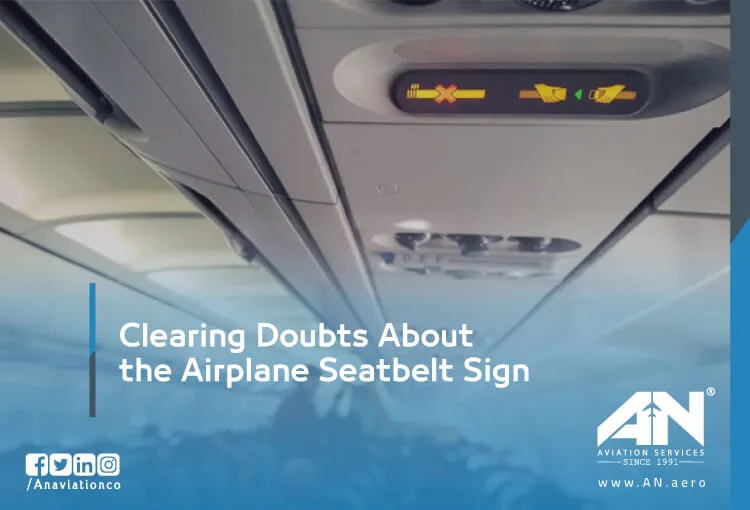
Few things are more familiar to frequent flyers than the illuminated “fasten seatbelt” sign above their heads. But do you truly understand the meaning behind this simple symbol? While it may seem straightforward, the seatbelt sign plays a crucial role in ensuring the safety of everyone onboard during air travel.
This blog post aims to provide you with a comprehensive guide to the airplane seatbelt sign, demystifying its various uses and meanings. Whether you’re a seasoned traveler or a nervous first-timer, this information will empower you to make informed decisions and stay safe during your next flight.
TYPES OF SEATBELT SIGNS
There are three main types of seatbelt signs on airplanes:
- Illuminated sign: This is the most prominent sign, typically located above the passenger seats. It features the universal seatbelt symbol and lights up when passengers are required to fasten their seatbelts.
- Chime: A chime may accompany the illuminated sign, providing an additional audio cue for passengers.
- Overhead announcement: Flight attendants may make an overhead announcement requesting passengers to fasten their seatbelts, particularly when the sign is illuminated but not accompanied by a chime.
WHEN IS THE SEATBELT SIGN USED?
The seatbelt sign is illuminated in various situations to ensure passenger safety:
- Takeoff and landing: These are critical phases of flight when unexpected turbulence is more likely. The sign is illuminated during taxiing, takeoff, and landing to minimize the risk of injury.
- Turbulence: When turbulence is expected, the captain will illuminate the sign as a precaution. Always remain seated and fasten your seatbelt even if the turbulence seems mild.
- In-flight emergencies: In the event of an emergency, the sign will be illuminated immediately. Follow all instructions from the flight attendants and remain calm.
- Specific instructions from the captain: The captain may choose to illuminate the sign for other reasons, such as encountering strong winds or passing through areas of heavy air traffic. Always comply with these instructions for your safety.
SEATBELT SIGN FLASHING
A flashing seatbelt sign signifies imminent takeoff or landing, usually within the next few minutes. It’s crucial to pay close attention to this signal and ensure your seatbelt is securely fastened.
SEATBELT SIGN OFF
The seatbelt sign will be turned off once it is safe for passengers to move about the cabin. However, it’s important to remain seated and use caution even when the sign is off, especially during periods of turbulence.
IMPORTANCE OF USING THE SEATBELT
Wearing your seatbelt during all phases of flight is crucial for your safety. Even minor turbulence can cause serious injuries if you’re not properly secured. Remember, the seatbelt is your most important safety device onboard an airplane.
FREQUENTLY ASKED QUESTIONS:
HOW LONG DOES THE SIGN USUALLY STAY ON?
The duration depends on the specific circumstances. During takeoff and landing, the sign will remain illuminated until the plane reaches cruising altitude or touches down safely. In other situations, the captain will determine when it’s safe to turn the sign off.
WHAT SHOULD I DO IF I NEED TO GET UP WHEN THE SIGN IS ON?
If you have an urgent need to get up while the sign is illuminated, politely inform a flight attendant. They will advise you on the safest way to proceed.
CAN I USE THE RESTROOM WHEN THE SIGN IS ON?
Using the restroom during periods when the sign is illuminated is generally discouraged. However, in specific circumstances, flight attendants may grant permission if deemed safe.
WHAT ARE THE PENALTIES FOR NOT WEARING A SEATBELT?
Not complying with the seatbelt sign is a violation of aviation regulations and may result in fines or other penalties. More importantly, it puts your safety and the safety of others at risk.
CONCLUSION
Understanding the meaning and significance of the various seatbelt signs is essential for ensuring a safe and comfortable flight experience. By paying attention to the signs and following instructions from the flight crew, you can contribute to a safe environment for everyone onboard.
FAQ
Why is the seatbelt sign sometimes left on during perfectly smooth flights?
Pilots often keep the sign illuminated as a “precautionary measure” based on weather reports from aircraft flying miles ahead. Even if your current position feels stable, radar or pilot reports (PIREPs) may indicate unstable air currents, jet stream changes, or “invisible” turbulence nearby. It is always a strategic choice to prioritize safety over cabin freedom, ensuring passengers are secured before a bump occurs rather than reacting to one.
Does the pilot manually flip a switch, or is the seatbelt sign automated?
While traditionally a manual task for the flight deck, new-generation aircraft are integrating the seatbelt sign with the plane’s atmospheric sensors. Some modern systems can detect sudden vertical acceleration and trigger the sign automatically. However, the captain always retains final authority, often activating it manually based on long-range forecasts and “Nowcasting” data shared via the digital flight deck.
What are the legal consequences of ignoring the airplane seatbelt sign?
Ignoring the sign isn’t just a safety risk; it’s a violation of federal aviation regulations. Under international law, passengers are required to follow crew instructions and illuminated signs. Failing to do so can result in hefty fines, being met by law enforcement upon landing, or being blacklisted by the airline. More importantly, most travel insurance policies may be voided if an injury occurs while a passenger is standing in defiance of an active seatbelt sign.
How does “Clear Air Turbulence” (CAT) change the way the sign is used?
Clear Air Turbulence is invisible to traditional weather radar, making it the most dangerous type of instability. Because CAT is becoming more frequent due to shifting global thermal patterns, many airlines are adopting a “Policy of Precaution,” keeping the sign on for longer durations during transoceanic flights. Pilots now use satellite-linked turbulence maps to anticipate these invisible patches, turning the sign on much earlier than they did a decade ago.
Is it safer to keep the seatbelt fastened even when the sign is turned off?
Aviation safety experts and flight crews unanimously recommend keeping your seatbelt “low and tight” whenever you are seated, regardless of the sign’s status. Unexpected turbulence—often called “blue sky bumps”—can happen without enough warning for the pilot to reach the switch. By staying buckled, you eliminate the risk of being thrown against the cabin ceiling or injured by falling luggage during a sudden altitude shift.

